A client sees two lash services on your menu. One uses your usual adhesive; the other uses a UV-curing system and costs more. Their question is straightforward: “What am I getting for the difference?”
A new lamp is not, by itself, a persuasive answer.
Connect the technology with what clients experience: thoughtful consultation, personalized styling, a well-managed appointment, and clear aftercare. UV lash extensions may support those goals, but the complete service creates the value.
The aim is not to persuade every client to upgrade. It is to offer an appropriate option, explain its benefits and limitations honestly, and charge in a way that reflects the work involved.
Here is how to build that conversation without relying on exaggerated safety claims, guaranteed wear times, or promises of instant business growth.
What Changes With a UV Lash System?
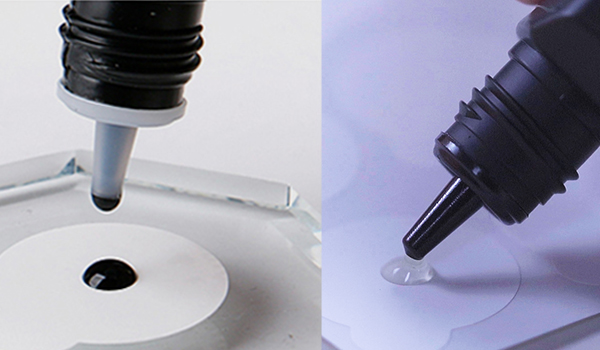
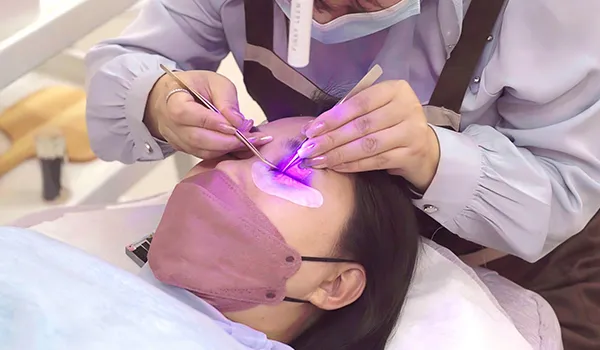
UV lash extensions use a light-reactive adhesive with a compatible curing lamp. Photoinitiators in the adhesive respond to the specified light, allowing the artist to trigger curing after positioning the extension. Conventional lash adhesives generally depend on moisture for curing rather than simply drying through evaporation.
That distinction can change the artist’s workflow. It does not automatically change every other part of the service.
Consultation, preparation, individual lash isolation, suitable extension selection, and careful attachment remain essential. The lamp does not create the lash map or decide whether a particular client is suitable.
Use the adhesive and lamp according to their documented compatibility requirements. Wavelength matters, but it is not the only consideration: the specified settings, working distance, exposure, and protection protocol also belong to the system.
Position UV as part of a professional process, not a shortcut around good technique.
1. Build Confidence Through Transparency, Not Safety Promises
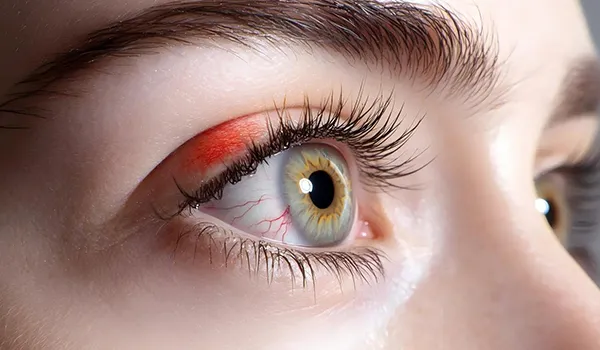
Clients may ask about irritation, previous adhesive reactions, or light exposure. A premium consultation makes room for those questions instead of dismissing them with “This technology is completely safe.”
Separate comfort from allergy claims
A service can feel comfortable without being suitable for every person. Likewise, reduced odor or a claim of lower fume exposure does not establish that an adhesive is allergy-free.
Some UV lash adhesives still contain cyanoacrylates, and changing the curing method does not remove every potential allergen. FDA guidance also warns that eyelash adhesives can cause allergic reactions, irritation, or injury around the delicate eye area.
Ask about previous reactions before recommending a service. Do not market UV extensions as a guaranteed solution for clients who have reacted to another lash adhesive. Review the exact ingredients and instructions; where a reaction or medical concern is involved, direct the client toward appropriate healthcare advice rather than making a diagnosis.
Avoid a “sensitive-eyes package” built around an unsubstantiated promise. Any screening or testing required by your professional protocol should support assessment, not become an allergy-free guarantee.
Explain the safeguards you actually use
Discuss system-specific training, equipment instructions, hygiene, and the required eye and skin protection. Have the relevant documentation available, and explain it in plain language.
Light-safety findings apply to the equipment and conditions tested. For example, a manufacturer’s published testing summary distinguishes results obtained at different settings and beam sizes. That is a reason to follow the relevant protocol, not to borrow another device’s results for your own lamp.
Never use a generic certification badge as a substitute for understanding what a report covers. Equally, do not imply that a higher-priced service is the only option in your salon that receives proper safety precautions.
Confidence should come from clear information and consistent practice, not a promise of zero risk.
2. Make Quality Visible Without Guaranteeing Retention
The result still needs to suit the client. A new curing method cannot compensate for a lash map they dislike, excessive length, or poorly controlled attachments.
Explain the styling decisions behind the service: the intended shape, level of definition, curl selection, and what the client’s natural lashes can reasonably support. Classic, hybrid, and volume describe styling or application choices; “UV” describes the curing system. Keep those distinctions clear on your menu.
Show the work, not an unsupported comparison
Use your own portfolio photographs with client permission. Keep lighting, angles, and image editing consistent when comparing results. Explain what was customized rather than labeling every conventional set “basic” and every UV set “better.”
Light-triggered curing can offer control over when a placed attachment is set. Whether it improves your results depends on the system and your technique. Careful isolation and final checks are still necessary; a lamp does not make unwanted attachments impossible.
Discuss wear as an individual outcome
An adhesive bond and a complete lash set do not have the same lifespan. Natural lashes continue to grow and shed, and attached extensions may leave with them even while the bond remains intact.
Avoid promising that a set will remain perfect for a fixed number of weeks or that infills will no longer be needed. Preparation, attachment quality, extension suitability, natural shedding, and home care all influence the result.
Instead, record how clients’ sets actually wear. Review coverage, grown-out extensions, comfort, and maintenance needs at follow-up appointments. If your salon later shares retention results, explain the observation period, how results were assessed, and the limits of the comparison.
A credible premium service combines personalized design with realistic expectations about maintenance.
3. Offer Convenience You Can Demonstrate
Convenience is a useful part of the value conversation, especially when the client has a busy schedule. But bond-curing time is not the same as total appointment time.
Consultation, preparation, isolation, styling, checking, and aftercare still take time. Do not turn a supplier’s curing specification into a promise that every full set can be completed during a short lunch break.
Measure the whole appointment
Once your team is trained, track complete service times for comparable appointments. Separate full sets from infills and account for style complexity and the artist’s experience.
If your workflow becomes more consistent or reduces particular waiting steps, describe that specific improvement. Avoid advertising a time saving until your own appointments support it. Never shorten essential checks merely to meet an express-service claim.
A reliably scheduled appointment can be more persuasive than an ambitious speed promise that staff cannot consistently deliver.
Give product-specific aftercare
Some UV systems are marketed as allowing earlier water contact after curing. Treat that as a claim to check against the exact adhesive and system instructions, not a universal rule for every UV service.
Do not extend permission for normal washing into blanket approval for steam, sauna sessions, every cosmetic product, or unrestricted handling. Give written guidance that matches the products used, and explain gentle cleansing and avoiding pulling or rubbing.
If irritation occurs, advise the client to stop using the irritating product and seek medical advice when symptoms persist, consistent with general eye-cosmetic guidance.
Convenience is valuable when the promised appointment and aftercare experience match reality.
4. Turn the Service Into a Clear, Sustainable Offer
Once the technical process is established, make the menu easy to understand. Clients should know what changes, what remains the same, and why the service is priced differently.
Make the value tangible
Lead with the consultation and service experience, not a list of technical buzzwords. Show the tools as part of an explanation, not as proof that the treatment must be superior.
A consultation script could be:
“This option uses a compatible light-curing adhesive system. We will assess whether it suits you, discuss your preferred lash look, and explain the process and aftercare before you decide. The price reflects the service described on our menu; results and maintenance needs vary.”
If you make a more specific claim about comfort, speed, or wear, support it with relevant product information or clearly described salon observations. Testimonials can describe an individual’s experience, but should not be presented as a guarantee for everyone.
The client should understand the upgrade without needing to understand adhesive chemistry.
Design tiers around actual differences
A straightforward menu can distinguish services without treating essential care as an optional extra:
•Standard Lash Service: Your established consultation, customized design, application, and aftercare guidance using your conventional adhesive system.
•UV Lash Service: A suitable design using the documented UV-curing system, with its consultation and product-specific aftercare.
•Signature UV Experience: The UV service plus clearly listed additions you genuinely provide, such as an extended styling consultation or an appropriate take-home care kit.
These are suggested menu structures, not claims about existing PINKY LEEM services. Choose names and inclusions that match your business.
If you bundle another treatment, make sure it is appropriate and does not interfere with the lash procedure. State what is included and avoid making clients pay for extras they do not want.
Set prices from your own costs and positioning rather than copying an unrelated salon’s price ladder. Include staff time, training, consumables, equipment costs, overhead, and any bundled products.
Charge for a clearly defined service, not for the word “UV” alone.
Build repeat business through useful follow-up
A rebooking conversation should focus on the client’s actual maintenance needs. Review how the set wore, ask what they liked, and adjust the next appointment accordingly.
A care plan or repeat-visit package can make costs more predictable, but it should not pressure clients into unsuitable treatments. Explain eligibility, inclusions, cancellation terms, and any limitations before they commit.
For referral offers, define the reward clearly. For reminders and promotional messages, use the client’s agreed contact preferences. Neither a discount nor a loyalty program replaces a service worth returning for.
Repeat business should follow satisfaction and appropriate care, not exaggerated durability claims.
Measure More Than the Average Ticket
A higher average ticket does not automatically mean a more profitable salon. An expensive package may also require more appointment time, staff training, materials, or complimentary follow-up work.
For a practical service review, track:
•Average service ticket: Service revenue divided by completed paid service visits, using a consistent definition that separates retail sales and refunds.
•Revenue per booked service hour: Service revenue relative to the appointment time used.
•Cost per service: Labor, consumables, included products, and an appropriate allocation of operating costs.
•Client experience: Feedback, repeat visits, complaints, and reasons clients decline the upgrade.
Compare like-for-like services and note when discounts or package sales affect the figures. Do not interpret a small launch promotion as proof of long-term demand.
This is a management framework, not a forecast. Your own records should determine whether the offer deserves expansion, adjustment, or a different price.
The goal is a service that works for both the client and the salon, not a higher number in isolation.
The PINKY LEEM Perspective: Make the Experience Worth Choosing
Why might a client pay more for UV lash extensions? Because the service is appropriate for them, the differences are clearly explained, and the delivered experience justifies the price.
For PINKY LEEM, a useful message is to put professional judgment ahead of hype. The adhesive and lamp support the artist’s work; they do not replace consultation, thoughtful design, careful application, or honest aftercare advice.
Start with a well-defined service, document your results, and listen to clients. Build the offer around benefits you can explain and deliver, while being open about what varies.
A premium is earned through the experience, not automatically created by the equipment.