When the eyelash technician turns on the UV lamp, you close your eyes and feel the slight warmth emanating from the base of your eyelashes—this seemingly ordinary moment actually hides a health issue that requires serious consideration: Does eyelash extension lighting actually affect the eyes? And how can eyelash technicians and clients protect their eyes?
While pursuing beauty, we also need to pay attention to eye health. This article will provide a comprehensive analysis of the relationship between eyelash extension lighting and the eyes, as well as scientifically effective protective methods.
01 What exactly is the light emitted by eyelash extension lamps?
First, it’s important to clarify that eyelash extension lamps are different from everyday lighting.
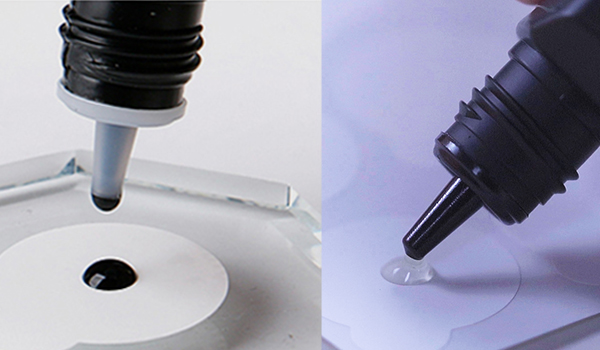
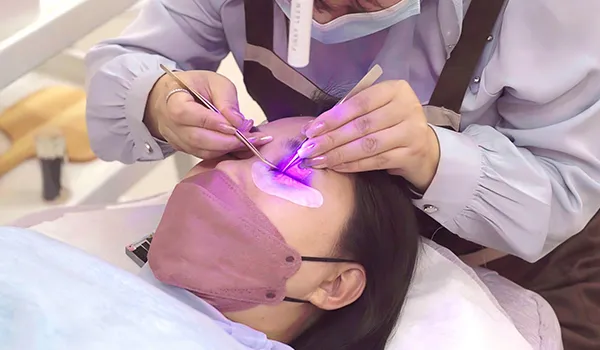
Professional eyelash extension curing lamps, whether traditional UV lamps or the now mainstream LED lamps, emit specific wavelengths of ultraviolet or near-ultraviolet light to activate the photoinitiator in the UV adhesive, causing it to cure quickly.
According to professional equipment parameters, the operating wavelength of eyelash extension LED lamps is typically between 395 and 405 nanometers, with a power of around 5 to 10 watts. This wavelength of light belongs to the near-ultraviolet category, falling between visible light and traditional UVA ultraviolet light. Its characteristics include relatively concentrated energy but a very short irradiation time—a single curing cycle usually only takes a few seconds to a dozen seconds.
There is also a type of eyelash extension operation lighting on the market called “cold light lamps.” Their purpose is to provide uniform, shadowless illumination to help eyelash technicians see the details of the procedure. These lamps mainly emit white or warm light and are not curing lamps.
The core difference is that curing lamps are designed to trigger a photochemical reaction, while lighting lamps are simply for better visibility. Their protective focuses are completely different.
02. Are eyelash extension lamps harmful to the eyes?
This is the question everyone is most concerned about. The answer is that under normal and standardized use conditions, the risk is controllable; however, improper use or lack of protection can indeed cause harm.
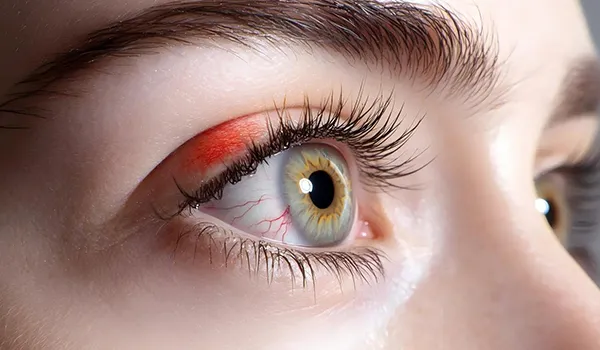
The ultraviolet rays emitted by eyelash extension lamps, if directly exposed to the eyes for a prolonged period, can damage the cornea and conjunctiva. Corneal epithelial cells are very sensitive to ultraviolet rays, and under strong ultraviolet radiation, protein denaturation, coagulation, and even necrosis can occur. This damage manifests as severe pain, foreign body sensation, photophobia, tearing, and difficulty opening the eyes, a condition medically known as photokeratitis.
So, how high is the ultraviolet intensity of eyelash extension lamps? Professionals have conducted a simple experiment, using an ultraviolet sensor to test the intensity of sunlight and LED eyelash extension lamps. The results showed that under normal operating distance (approximately 15 cm) and short duration (3 seconds), the ultraviolet intensity of eyelash extension lamps is far lower than that of sunlight.
This experiment provides an important reminder: we are exposed to sunlight for far more time each day than we are exposed to light during eyelash extensions. If you’re worried about eyelash extension lamps, you should be more concerned about daily sun protection. However, this doesn’t mean eyelash extension lamps are completely harmless; the cumulative effect and improper use are the real risks.
Unlike sunlight, eyelash extension lamp light is point-like, concentrated, and close-range, and many people will curiously look at it. Studies have shown that the UVA radiation intensity of some nail lamps is several times that of midday sunlight. If you look directly at the light source every time you get eyelash extensions, it can cause cumulative damage over time.
Furthermore, it’s important to distinguish that looking directly at the lighting used during eyelash extensions for extended periods can also cause eye fatigue, dryness, and other discomfort. Prolonged exposure to strong light can easily lead to eye strain and even photodamage to the macula.
03 How to Protect Your Eyelashes Scientifically? Tips for Both Technicians and Customers
Based on the principles mentioned above, the protective measures are quite clear.
Protection Advice for Customers:
Keep your eyes closed throughout the entire procedure. This is the simplest and most effective method. Eyelash glue only takes a few seconds to a dozen seconds to cure. Keeping your eyes closed during this time completely avoids direct sunlight. When your eyes are closed, your eyelids provide a natural physical barrier, effectively blocking most ultraviolet rays.
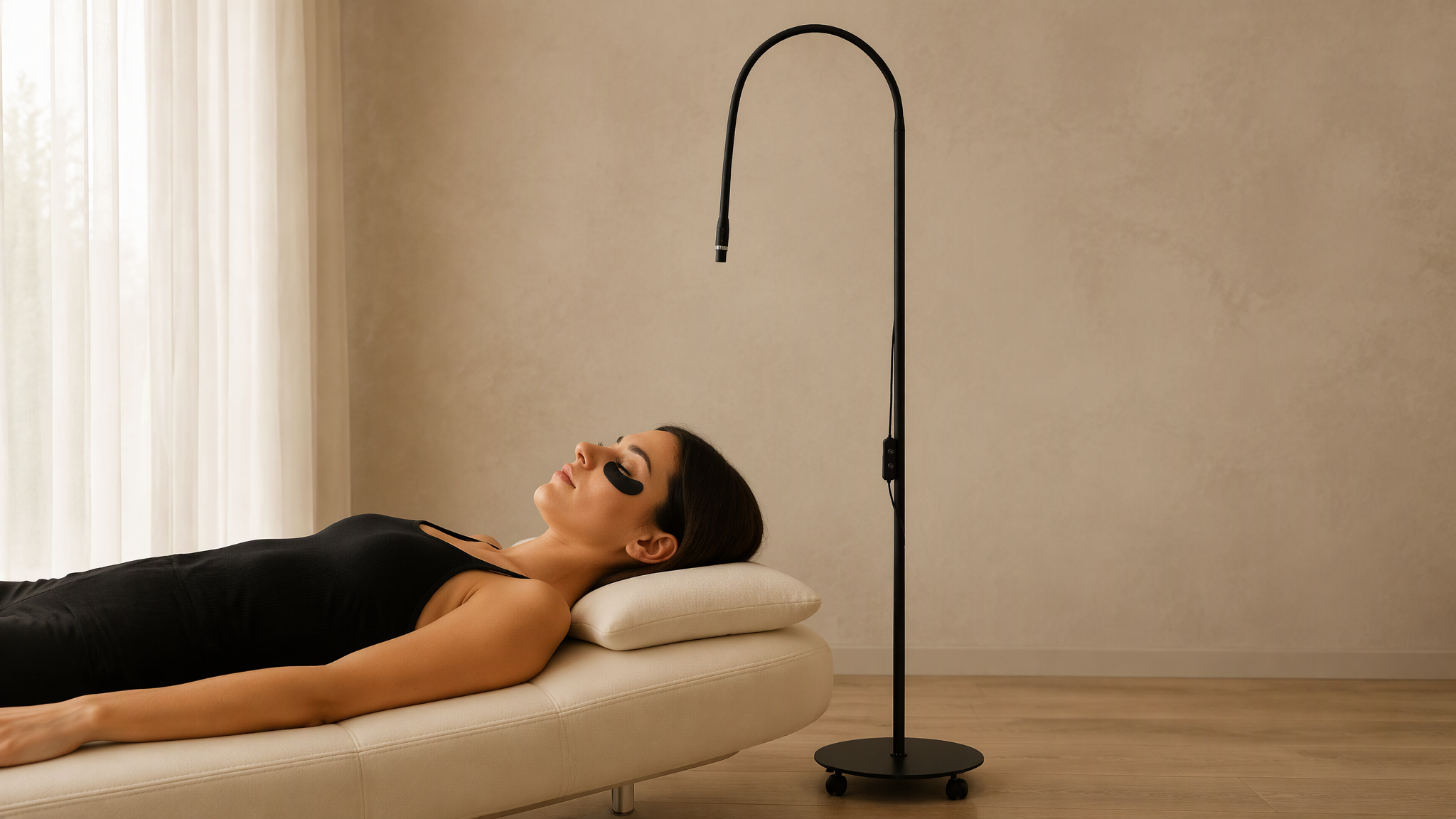
Use professional protective eye shields or black eye masks. Professional eyelash salons usually provide black eye masks or protective eye shields for customers. These products effectively block ultraviolet rays. Before the UV lamp, the eyelash technician should properly cover the customer’s eyes with the eye mask, ensuring there are no gaps for light to leak in.
Do not open your eyes to watch the curing process out of curiosity. Many customers are curious about UV lamps and want to see how the eyelashes cure, but this is precisely the biggest risk. The eyelash technician should inform the customer in advance: please do not open your eyes during the procedure.
If you feel eye discomfort, immediately tell the eyelash technician, stop the procedure, and check the cause. Do not endure the discomfort out of embarrassment. Protective Recommendations for Eyelash Extension Technicians
Eyelash extension technicians spend long hours daily in contact with eyelash extension lamps, making protection especially important.
Wearing professional protective goggles is essential. Professional eyelash extension brands usually include anti-UV, anti-blue light, and anti-fog goggles with the lamps; technicians should wear them throughout the procedure. If you wear glasses, choose anti-blue light lenses. Protective goggles not only block UV rays but also reduce eye strain from prolonged use.
Maintain a proper working distance. Professional recommendations suggest keeping the lamp source 12 to 20 centimeters away from your eyes when the lamp is closed. This distance ensures effective curing while minimizing the impact of light on your eyes. Too close increases radiation intensity, while too far may affect the curing effect.
Avoid looking directly at the lamp source for extended periods. Focus your attention on the eyelashes, not on the lamp head. If the light is glaring, adjust the angle or use a light shield.
Have regular eye exams. Those working in the eyelash extension industry are advised to have an eye exam annually to detect any potential problems early. The damage caused by ultraviolet radiation to the eyes is often cumulative, making early detection and intervention crucial.
Pay attention to the protection of lighting fixtures. Besides curing lamps, prolonged use of cool-light lighting can also cause eye strain. It is recommended to choose eye-protecting lamps with low blue light technology and take appropriate breaks. Every now and then, look into the distance to relax your eye muscles.
04 How to Choose Safe Eyelash Extension Lamps?
The quality of eyelash extension lamps on the market varies greatly. When purchasing, pay attention to the following points:
Clear Wavelength Labeling. Professional equipment should specify the exact wavelength. Be cautious of vague descriptions such as “high-frequency LED” or “imported chip.” A suitable wavelength not only ensures the curing effect but also reduces unnecessary radiation.
Eye Protection Design. Features include blue light protection, a light shield, and an automatic timer. These details often determine safety. A light shield effectively reduces light scattering, and the timer function prevents prolonged exposure due to forgetting to turn off the light.
Good Heat Dissipation. Excessively high lamp body temperature after prolonged use indicates poor heat dissipation, which may affect lifespan and stability, and could also lead to safety hazards due to overheating.
Included Protective Accessories. Reputable products will include protective goggles, eye protection films, etc., reflecting the brand’s commitment to user safety.
Safety Certifications. Choose products from brands that have passed relevant safety certifications. These certifications are important assurances of product safety.
05 What should I do if I experience eye discomfort?
If you experience eye discomfort after eyelash extensions, you can take the following measures: Immediately stop exposure to light sources and stay away from UV environments to avoid further irritation.
Apply cold compresses to the eyes. Gently apply a clean, cold towel or ice pack to the eyes to relieve eyelid spasms and pain, and reduce inflammation.
Use preservative-free artificial tears to rinse the eyes to help dilute and wash away any potential irritants. However, do not use anesthetic eye drops on your own, as these medications can mask symptoms and delay treatment.
Seek medical attention promptly. If you experience severe eye pain, photophobia, tearing, blurred vision, or other symptoms, you should see an ophthalmologist as soon as possible. Photokeratitis usually develops several hours after UV exposure and generally recovers within 1 to 2 days with proper treatment, but repeated exposure may cause cumulative damage.
06 Conclusion: Beauty and Health Can Coexist
Eyelash extension lighting isn’t inherently dangerous, but it’s not entirely harmless either. Its risks are controllable and preventable; the key lies in scientific understanding and standardized operation.
For customers, choosing a professional eyelash extension salon, closing their eyes during the procedure, and using protective goggles ensures a safe and enjoyable experience. For eyelash technicians, wearing goggles, maintaining a proper distance, and choosing qualified lighting fixtures are not only responsible for themselves but also for their customers.
Beauty should never come at the expense of health. The next time you lie on the eyelash extension bed, close your eyes with peace of mind, and let a professional technician and safe lighting serve you—at that moment, beauty and health achieve their perfect balance.