The Short Answer: Yes, but Follow Your Artist’s Curing Advice
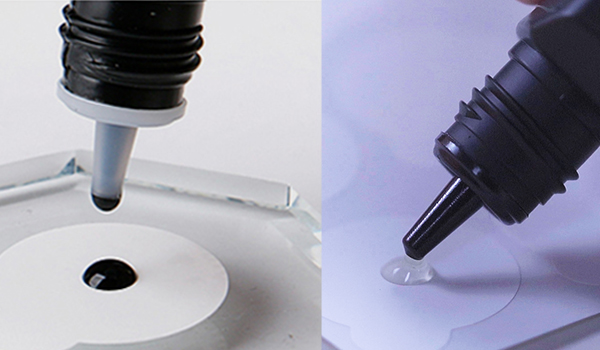
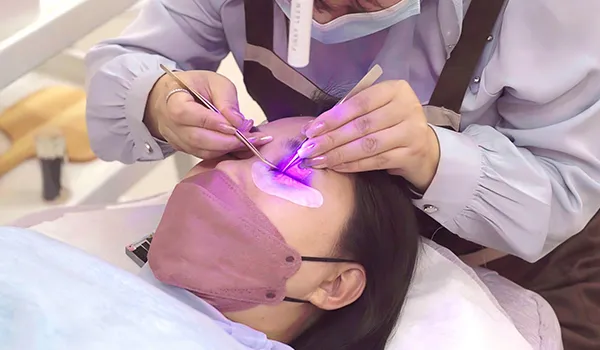
Traditional cyanoacrylate lash adhesives do not all have the same aftercare window. Some salons still advise keeping a new set dry and away from heavy steam for 24 to 48 hours, while certain modern systems have a much shorter restriction. UV-cured lash systems follow their own manufacturer instructions and should not automatically be treated like conventional adhesive.
For that reason, the safest rule is simple:
•Follow the aftercare instructions given for the exact adhesive system used on you.
•If you were told to observe a dry period, avoid swimming, saunas, steam rooms, hot tubs and steamy showers until it has passed.
•If you do not know which system was used, contact your lash artist before exposing a fresh set to prolonged water or heat.
This is more accurate than applying one universal 48-hour rule to every adhesive on the market.
Why the First Day Matters
Most professional lash adhesives are based on cyanoacrylate chemistry. Moisture in the air helps initiate polymerisation, but successful retention also depends on the adhesive formulation, room humidity, temperature, application technique and the condition of the natural lashes.
A new set may look dry immediately, yet the salon’s recommended aftercare window still matters. Prolonged immersion, heavy steam, sweat and mechanical pressure can introduce variables before the bond has stabilised according to that system’s instructions.
During the stated curing or setting period, avoid:
•Swimming pools, the sea and hot tubs
•Saunas, steam rooms and facial steamers
•Long, hot showers directed at the face
•Rubbing the eyes or sleeping face-down
•Oil-rich products directly around the lash bonds
•Tight sleep masks or goggles pressing against the extensions
Normal blinking and gentle daily activity are not the problem. The goal is to avoid prolonged exposure and physical disturbance.
Swimming With Lash Extensions
After the recommended waiting period, you can normally swim with lash extensions. Water alone is not a reason to avoid a pool or the sea forever. The bigger aftercare concerns are residue and friction.
Pool water can leave chlorine-containing residue, while seawater can leave salt and fine particles around the lash line. Neither means one swim will automatically cause the extensions to fall out. However, allowing residue to dry around the lashes, rubbing wet eyes or repeatedly pressing goggles against the extensions can make the set harder to keep clean and may contribute to premature shedding.
Before Swimming
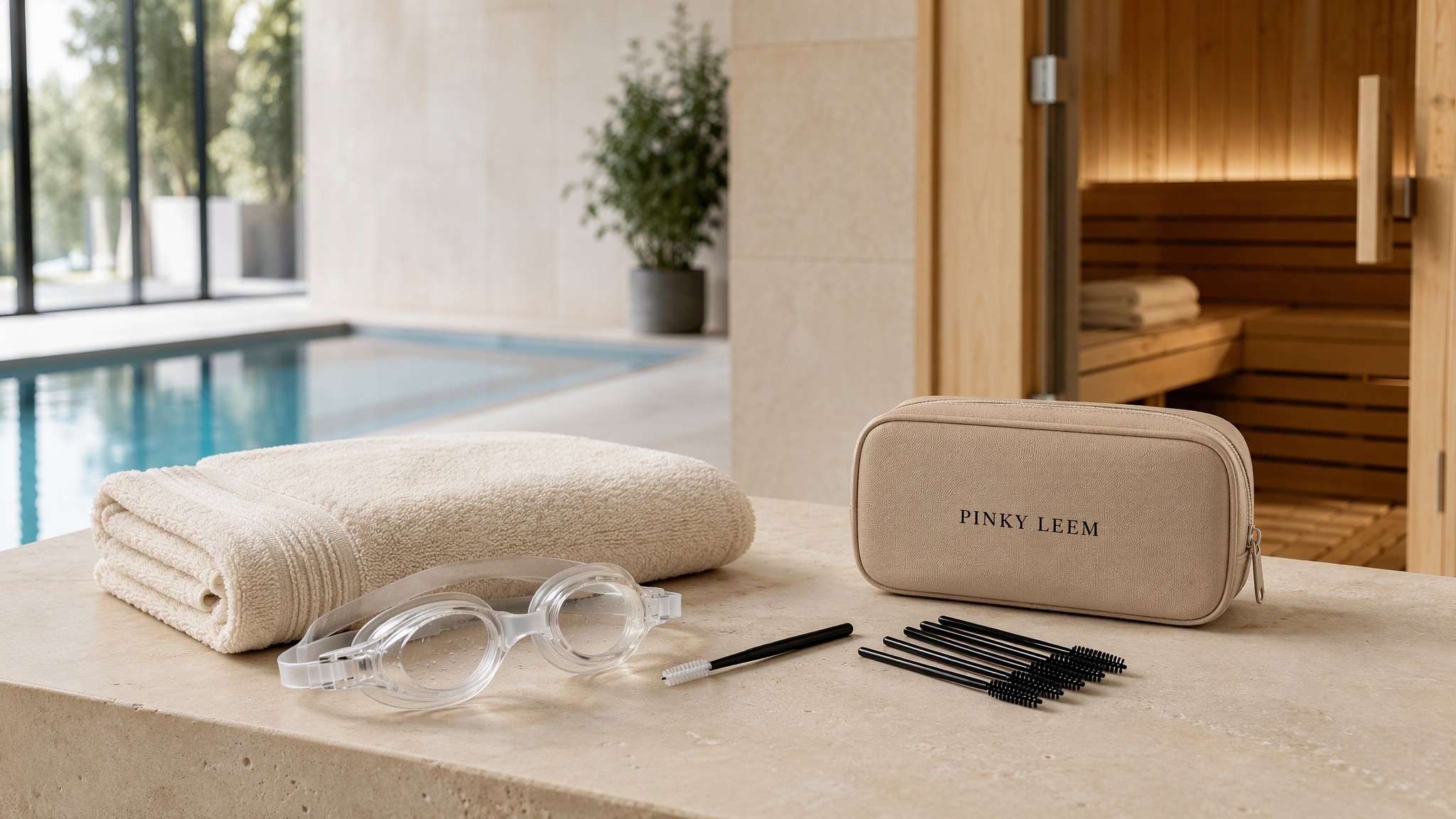
Choose goggles with enough space around the eye area so the lenses or seals do not crush the extensions. Check the fit before your trip rather than discovering the problem at the pool.
Do not coat the lashes with facial oil, petroleum jelly or a generic “waterproof” product. Unless your lash artist has approved a product for the adhesive system, adding an oily barrier may create more problems than it solves.
If your set is brand-new and still within its advised no-water period, postpone the swim.
After Swimming
Rinse the eye area with clean, fresh water as soon as practical. If your lash artist has recommended a lash cleanser, use it gently to remove pool, seawater, sunscreen and sweat residue from the lash line.
Pat the surrounding skin dry without pulling at the extensions. Let the lashes air-dry or use a cool, gentle airflow, then brush them lightly with a clean spoolie once they are dry. Brushing wet extensions aggressively can snag or twist them.
What Frequent Swimmers Should Expect
Swimming several times a week adds repeated exposure to water, goggles, sunscreen, sweat and cleansing. Retention may therefore differ from that of a client who rarely swims, but there is no reliable universal percentage or exact number of days that applies to everyone.
Frequent swimmers can make maintenance easier by:
•Keeping a clean lash brush in their swim bag
•Rinsing and cleansing promptly after each session
•Checking that goggles do not press on the lash line
•Booking infills according to actual shedding rather than a fixed promise
•Telling the lash artist about their routine so styling and aftercare can be adjusted
Sauna and Steam Room Use
A sauna creates a different challenge from swimming. Instead of immersion, the lashes are exposed to heat, steam or very dry heat, perspiration and increased oil around the skin.
Occasional sauna use after the adhesive’s initial setting period does not guarantee lash loss. However, long or frequent sessions can make retention less predictable, especially when the client rubs away sweat or combines the sauna with an oil-rich skincare routine.
Before Entering
Make sure the initial aftercare window has passed. Remove heavy eye makeup and oily residue gently, and arrive with a clean lash line. Avoid applying rich creams directly around the bonds.
If your eyes or eyelids are already irritated after the appointment, skip the sauna and contact your lash artist or an appropriate healthcare professional instead of trying to “steam it out.”
During the Session
Keep the visit moderate and follow the venue’s general safety guidance. Do not sit with your face directly over a steam outlet, and avoid repeatedly wiping or rubbing the eyes. Blot perspiration from the surrounding skin with a clean towel rather than dragging the towel across the lashes.
There is no single evidence-based minute limit that guarantees perfect retention for every adhesive and every sauna. Heat level, humidity, adhesive system, visit frequency and client behaviour all vary.
Afterwards
Allow your body to cool comfortably. Cleanse the lash line gently to remove sweat, skin oil and product residue, then pat the surrounding area dry. Brush the extensions only after they have dried.
If sauna use is part of your weekly routine, mention it during your consultation. Your lash artist can monitor retention patterns and recommend an infill schedule based on what actually happens to your set.
What About Hot Tubs and Thermal Spas?
Hot tubs and thermal pools combine several factors: warm water, steam, minerals or treatment chemicals, sunscreen, perspiration and prolonged soaking. The exact water chemistry varies by venue, so aftercare should focus on practical precautions rather than claims about one specific ingredient.
Wait until the adhesive system’s initial restriction has passed, avoid submerging or rubbing the eye area unnecessarily, and rinse the lashes with clean water afterwards. If the water causes stinging, redness or swelling, leave the pool and rinse the eye area. Persistent symptoms require professional medical advice.
Daily Habits That Support Better Retention
Lash extensions should be cleaned, not kept permanently dry. Once any initial no-water period has passed, regular gentle cleansing helps remove makeup, oil, sweat and debris from the lash line.
Clean Without Scrubbing
Use a lash-compatible cleanser and a soft cleansing brush if recommended by your artist. Work gently through the lash line, rinse thoroughly and pat dry. Avoid cotton fibres that can catch on the extensions.
Keep Oils Away From the Bonds
Not every cosmetic oil instantly “dissolves” cured lash adhesive, but oily products can interfere with cleanliness and retention for some systems. Keep heavy eye creams, cleansing balms and facial oils away from the attachment points unless the adhesive manufacturer or lash artist confirms compatibility.
Reduce Friction
Do not rub, pull or pick at the extensions. Be careful with towels, pillowcases, eye masks and tight goggles. Side or stomach sleeping can press one eye into the pillow and produce uneven retention.
Brush When Dry
Use a clean spoolie to restore direction after cleansing or swimming. Wait until the extensions are dry, then brush from the mid-lengths towards the tips without forcing the brush into the adhesive bonds.
Keep Up With Professional Infills
Natural lashes shed as part of their normal growth cycle, so extension loss is expected over time. Regular infills replace extensions on suitable new growth and allow the artist to check for twisting, stickies, buildup or unusual irritation.
When to Contact Your Lash Artist
Ask your lash artist for help if you notice a sudden retention problem soon after the appointment, significant twisting, multiple extensions sticking together or persistent discomfort.
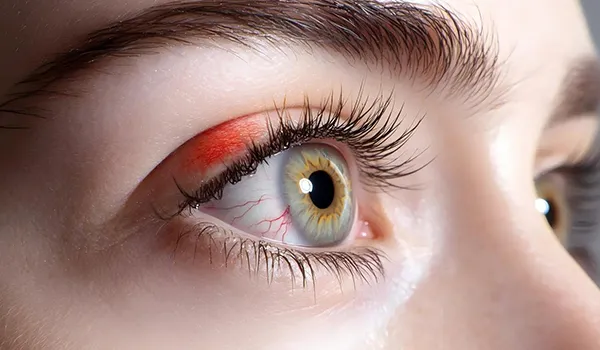
Burning, swelling, marked redness, discharge, pain or changes in vision are not ordinary retention concerns. Stop using eye-area products and seek appropriate medical advice. Do not rely on sauna heat, oils or home remedies to treat an eye reaction.
Practical Takeaway
You can swim, use a sauna and enjoy a spa break with lash extensions, but a fresh set deserves more caution. Follow the instructions for the exact adhesive system, wait through any specified water-and-steam restriction, minimise pressure and rubbing, and cleanse away chlorine-containing pool residue, salt, sweat and skincare products afterwards.
The best aftercare is not about avoiding normal life. It is about keeping the lash line clean, reducing friction and making informed choices during higher-exposure activities.
For lash professionals, this is also a useful consultation question: ask clients about swimming, gym, sauna and travel habits before the appointment. A realistic aftercare plan builds more trust than promising that every set will retain exactly the same way.