Oil, tear residue, dust, makeup, and shed skin cells can collect along the lash line. For people who regularly wear eye makeup, contact lenses, or eyelash extensions, this delicate area deserves thoughtful daily care.
However, “deep cleansing” should never mean aggressive scrubbing, and no cleanser can treat or guarantee the prevention of blepharitis. A more accurate goal is to clean the lash line gently and consistently. This can help remove visible buildup, support eyelid hygiene, and reduce irritation linked to poor cleansing habits.
What Is Blepharitis?
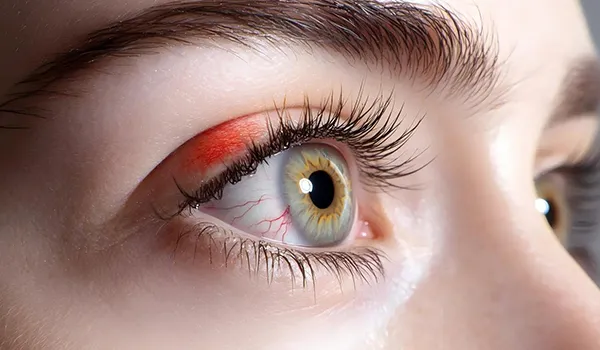
Blepharitis is inflammation along the edge of the eyelids. It can be associated with several factors, including bacteria, Demodex mites, certain skin conditions, meibomian gland dysfunction, and individual hygiene habits.
Common signs may include:
•Redness, itching, or a burning sensation around the eyelid margins
•Flakes, crusts, or debris around the lash roots
•Gritty, dry, or watery eyes
•Lashes that stick together after waking
•Recurring eyelid discomfort or swelling
Blepharitis is often a recurring condition. Eyelid hygiene may help relieve some symptoms, but it does not replace a professional diagnosis or guarantee a cure for chronic blepharitis.
Why Facial Cleansing May Miss the Lash Line
Most facial cleansers are designed for the skin rather than the eyelid margin close to the eye. If eye makeup is removed too quickly, eyeliner, mascara, oil, or cleanser residue may remain around the lash roots.
Repeated rubbing with a towel, cotton pad, or fingers can also irritate the eye area, pull on natural lashes, or disturb the appearance of lash extensions. Effective cleansing is not about using more force. It is about choosing a product intended for the eye area and cleaning the lash line in a controlled, gentle way.
What “Deep Cleansing” Should Really Mean
In lash care, deep cleansing should be understood through three principles: consistency, gentleness, and thorough rinsing.
The aim is to loosen and remove oil, makeup, and debris from the lash line. It is not to scrape the eyelids, forcibly remove crusts, or use harsh ingredients to create an intense “squeaky-clean” feeling.
If cleansing causes persistent stinging, pronounced redness, or excessive tearing, stop using the product and rinse the area thoroughly.
How to Choose a Lash Cleanser
When selecting a product for use near the eyes, look for the following:
•Clear labeling that it is intended for the eyelid or lash area
•Straightforward directions that explain how to avoid direct contact with the eyes
•A mild formula with minimal fragrance and fewer unnecessary active ingredients
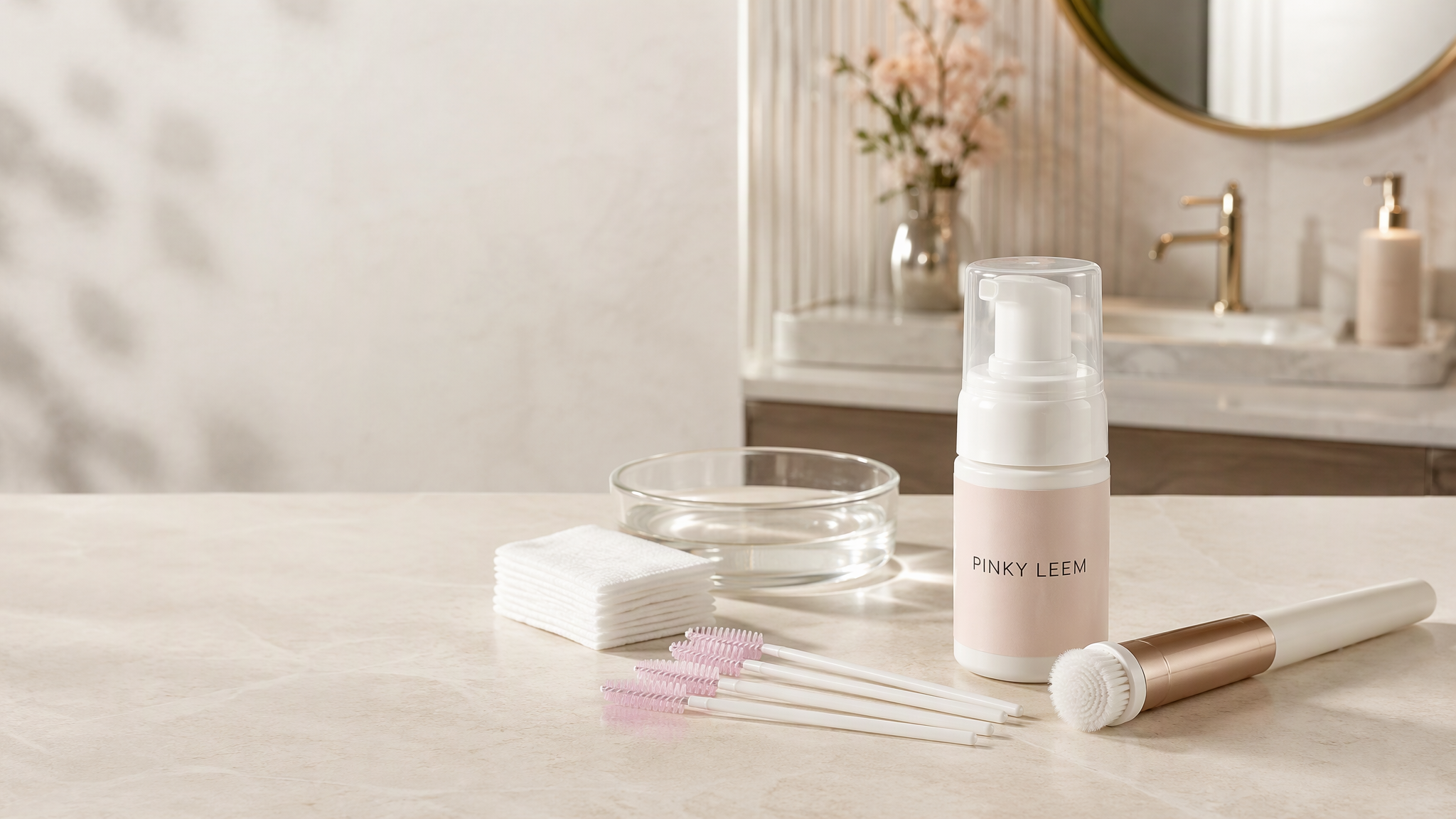
•A foam or mousse texture that is easy to control and less likely to run into the eyes
•Compatibility with the adhesive system and aftercare instructions used for lash extensions
A product labeled for the eye area can still cause sensitivity in some people. Test a small amount when introducing a new cleanser. Anyone with an existing eye condition, recent eye surgery, persistent allergies, or ongoing medical treatment should ask an eye-care professional before changing their routine.
A Five-Step Routine for Gentle Lash-Line Cleansing
Step 1: Wash Your Hands
Wash your hands before touching the eye area. Remove contact lenses before cleansing to reduce the risk of trapping cleanser or debris between the lens and the eye.
Step 2: Remove Eye Makeup
Remove mascara and eyeliner according to the makeup product’s directions. Avoid rubbing back and forth or pulling dried residue from the lash roots.
Step 3: Clean the Lash Line Gently
Close your eyes and apply a small amount of cleanser intended for the eye area. Using clean fingertips or a soft lash-cleansing brush, make short, gentle movements along the lash line and in the direction of lash growth. Do not press on the eyeball or scrub aggressively.
Step 4: Rinse Thoroughly
Rinse with comfortable lukewarm water until no visible foam or residue remains. Avoid very hot water, which may increase discomfort around sensitive skin.
Step 5: Pat Dry and Groom
Pat the area dry with a clean, soft, lint-free towel or tissue. Do not rub from side to side. Once lash extensions are fully dry, gently separate and groom them with a clean mascara wand.
Cleansing frequency should reflect skin type, makeup use, extension aftercare, and professional advice. Rather than applying one rigid schedule to everyone, pay attention to oil, visible residue, and comfort, and follow the directions provided by your eye-care professional, lash artist, and product manufacturer.
Why Lash Extensions Should Not Mean Avoiding Cleansing
Some clients avoid washing the lash line because they worry that water or cleansing will cause premature shedding. However, consistently skipping cleansing can allow oil, makeup, and debris to accumulate.
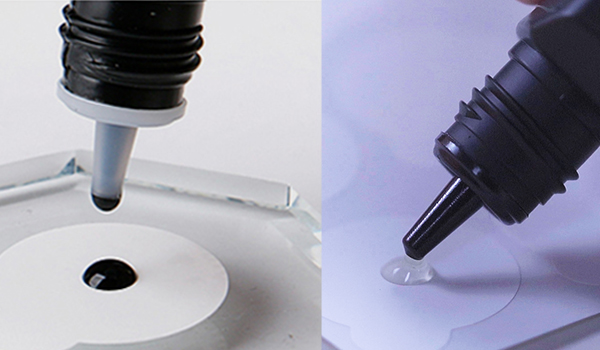
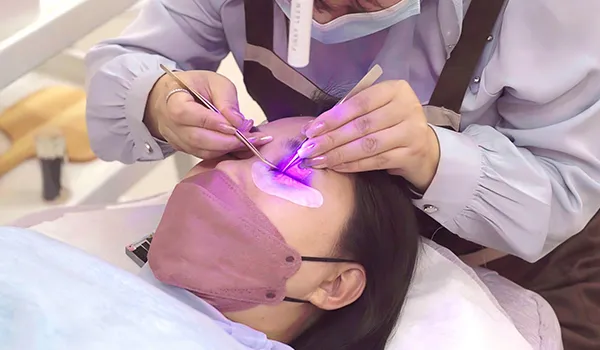
Follow the curing and aftercare instructions for the specific adhesive system used by your lash artist. Once cleansing is allowed, use a gentle technique without pulling or rubbing.
Do not soak the bonded area in an oil-based remover unless its compatibility has been confirmed. Avoid cotton fibers that can catch on extensions. If you experience unusual stinging, persistent redness, visible discharge, swelling, or sudden widespread lash loss, stop self-treatment and contact a qualified lash professional or healthcare provider.
Hygiene Habits Beyond Cleansing
•Keep lash brushes and cleansing tools clean and dry, and replace them regularly
•Do not share mascara, eyeliner, brushes, towels, or other eye-area products
•Replace eye makeup according to the manufacturer’s directions and discard anything with an unusual smell, texture, or visible contamination
•Clean and care for contact lenses correctly, and remove them before cleaning the eye area
•Avoid rubbing the eyes, squeezing the eyelids, or forcibly removing crusts
•If a clinician recommends warm compresses, follow their instructions for temperature, duration, and technique; avoid excessive heat or forceful massage
When to Stop Self-Care and Seek Medical Advice
Daily cleansing can support hygiene, but it cannot diagnose or treat an eye condition. Contact an optometrist, ophthalmologist, or other qualified healthcare professional if you experience:
•Significant pain or worsening symptoms
•Changes in vision, light sensitivity, or marked redness of the eye
•Pronounced eyelid swelling or pus-like discharge
•Repeated flare-ups that do not improve with routine care
•Symptoms following recent eye surgery, injury, or infection
A clinician can determine the type and possible cause of blepharitis and decide whether prescription medication, meibomian gland care, or another treatment is needed. Do not self-prescribe antibiotic or steroid eye ointments, and avoid unverified essential-oil remedies near the eyes.
The PINKY LEEM Approach to Lash Care
Professional lash care should consider more than appearance. It should also support good hygiene habits and eye-area comfort.
For clients, a consistent and gentle routine is more helpful than occasional aggressive “deep cleaning.” For lash artists, providing clear aftercare instructions without making medical promises helps create a safer, more professional client experience.
Gentle cleansing cannot guarantee the prevention or cure of blepharitis. It can, however, support lash-line hygiene, reduce visible buildup, and help clients notice unusual changes early.