A client asks for lashes that look like their own, only more defined. No dramatic length. No heavy lash line. Just a soft, balanced finish.
The request sounds simple. Delivering it takes thoughtful design.
With natural-looking lash extensions, the goal is not to make the work more noticeable. It is to make the result feel cohesive: lengths that blend, a curl that complements the eyes, and individual attachments that sit neatly within the lash line.
This does not mean classic lashes are always harder than volume lashes. Both techniques require skill, careful isolation, and appropriate product selection. The difference is visual: in an understated set, an abrupt length change or a stray direction can attract attention precisely because the overall design is so restrained.
For lash artists and salon owners, that distinction matters. A natural finish should be presented as a considered service, not simply a smaller version of a dramatic set.
Natural Is a Look, Not a Fixed Formula
Classic lash extensions use one extension on one isolated natural lash. Volume techniques use fans of finer extensions attached to individual natural lashes. Those terms describe application methods; they do not fully describe the finished look.
A classic set can look bold, while a carefully designed light-volume set can look soft. Length, diameter, curl, density, and placement all influence the result.
That is why a request for “natural lashes” needs a conversation, not an automatic lash map. Does the client want a barely noticeable enhancement, a mascara-like finish, or subtle definition that still shows in photographs?
Ask for reference images and discuss what the client likes about them. Then explain what can reasonably be achieved with their own lashes.
Define the desired effect before choosing the technique.
Length Transitions Shape the Whole Set
In a restrained design, length changes help determine whether the lash line looks fluid or disconnected. A sudden step between sections can interrupt the outline, even when the individual extensions are neatly applied.
Avoid treating any single length range as the definition of a natural set. The right choice depends on the client’s natural lash length, condition, eye shape, and preferred finish.
Build the map around the effect you want to create, then check how neighboring lengths work together. Pay attention to the inner and outer sections rather than concentrating only on the longest point.
It is also useful to review the overall silhouette instead of judging the map solely by the numbers on the tray. A technically tidy sequence still needs to look balanced on the person wearing it.
A good length map creates continuity, not just a collection of measurements.
Choose Curl for Compatibility, Not a Label
Curl selection should support the client’s features and the intended style. It should not follow the assumption that every natural set needs the same curl.
C curl is commonly used for a softer lift, while D curl generally creates a more pronounced curve. D curl should not be grouped with low-curl options as a universal rule.
Consider how the extension’s shape meets the natural lash and how the finished curl will look when the client’s eyes are open. A curl that looks attractive on a strip may not create the same effect on every lash line.
The attachment also needs appropriate contact. Forcing an incompatible curve into position is not a substitute for choosing a suitable extension.
The best curl is the one that works with the client and the design, not the one that sounds most dramatic.
A Clean Attachment Still Needs Adhesive
A refined lash line should not look heavy with visible adhesive buildup. But “clean” must not be confused with “glue-free.”
The goal is a controlled adhesive amount and a neat attachment, not the smallest possible drop regardless of bond quality. Too little can compromise attachment; too much can create bulk and increase the chance of neighboring lashes sticking together.
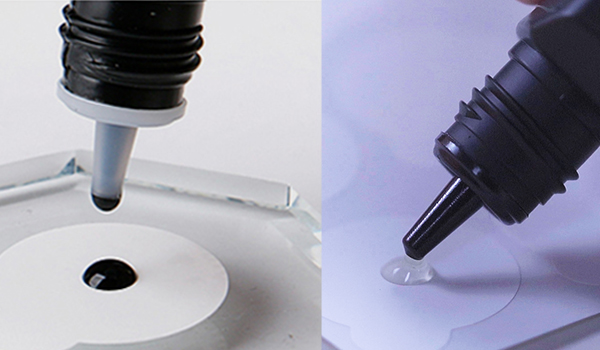
Product choice and working method need to support each other. Follow the adhesive manufacturer’s instructions for preparation, handling, working conditions, and setting or curing requirements. Do not assume a universal pressing time applies to every adhesive system.
Inspect attachments from more than one angle. Check for lifted bases, inconsistent contact, and excess buildup rather than relying only on how the finished set looks from above.
Aim for a discreet, well-controlled bond, not an adhesive-free appearance at the expense of attachment.
Isolation Is a Standard, Not a Style Preference
In classic application, each extension belongs on one isolated natural lash. Volume application still requires individual isolation, even though the attached fan contains several fibers.
This is why it is misleading to suggest that volume work simply covers mistakes. More fullness does not make unwanted attachments acceptable, and it does not remove the need for careful placement.
For a natural-looking classic set, clean separation also supports the visual result: distinct lashes, clear direction, and less unintended clumping. Maintain isolation during application and check for lashes that have become attached to their neighbors before finishing.
Allow enough appointment time for those checks. A quieter design is not a reason to rush the preparation or final review.
Every set needs careful isolation, whatever its density.
Natural Texture Is Deliberate, Not Random
Natural-looking lashes do not need to form an identical row. Equally, “natural” should not become an excuse for crossed extensions or an inconsistent outline.
Think in terms of controlled variation. Individual lengths and directions should contribute to the same overall design rather than compete with it.
Use the client’s existing lash pattern as a starting point, then decide where to add definition and where to keep the effect softer. Review the work at two levels: the quality of each attachment and the shape of the complete set.
For practice and portfolio reviews, consider looking at images from more than one angle. A close-up can help reveal placement details, while a wider view helps you judge whether the set suits the face. Neither replaces an in-person check of comfort and attachment quality.
Natural texture should feel intentional without looking rigid.
Let the Natural Lashes Set the Limits
A requested look should never be pursued without considering the lashes that will carry it. Extension length and weight need to be appropriate for the natural lash’s condition.
If a section cannot support the planned effect, adapt the design rather than compensating with increasingly long or heavy extensions. Explain that the available natural lashes influence the fullness of a classic set.
This is professional judgment, not a promise to diagnose lash or eye conditions. Avoid telling clients that a visual assessment can predict exactly when each natural lash will shed.
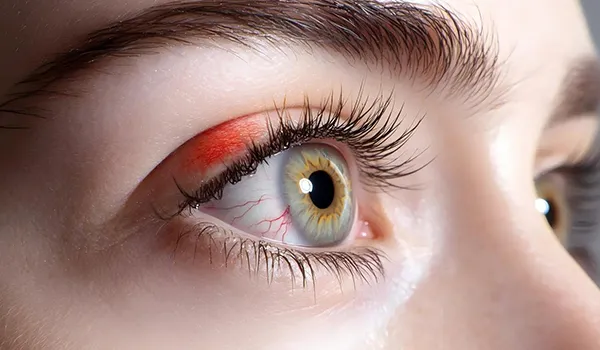
Eye irritation or inflammation also deserves a different conversation from a styling concern. General eye-cosmetic safety guidance advises avoiding use around infected or inflamed eyes and seeking medical advice if irritation persists.
An appropriate design respects the client’s starting point and the limits of the service.
Customize for the Person, Not Just the Eye-Shape Chart
Lash maps are useful planning tools, but broad labels such as “round” or “downturned” cannot capture every feature that affects the finished result.
Consider natural lash direction, density, differences between the two eyes, and the client’s preferences together. Professional mapping guidance also emphasizes these individual factors.
Rather than promising that one pattern will “correct” an eye shape, discuss what the client would like to emphasize. The objective may be a softer outline, more visible definition, or a balanced finish that works with their usual makeup.
Keep a record of the agreed design and review it at the next appointment. Ask which aspects the client liked and whether anything felt too long, too full, or too noticeable. That feedback gives the next set a clearer starting point.
Customization means responding to the individual, not reproducing a diagram.
Discuss Retention Without Promising Perfection
As natural lashes grow and shed, the appearance of a set changes. Extensions can leave with the natural lashes to which they are attached, even when the adhesive bond remains intact.
In a lighter design, changes in coverage may be easier to notice. That does not prove natural sets inherently last less time or require a completely different standard of care.
Provide written aftercare matched to the products used. Explain gentle cleansing, careful handling, and the importance of avoiding rubbing, pulling, or picking at extensions. Agree on maintenance based on the client’s actual wear pattern rather than promising identical results for everyone. [2]
If retention is disappointing, review the process before assigning blame. Preparation, adhesive condition, working environment, placement, extension suitability, and home care may all deserve attention.
Good retention is a process to assess, not a fixed number of weeks to guarantee.
Make the Value of a Natural Set Easy to Understand
A client may not immediately see the consultation, mapping decisions, product selection, and checking that go into an understated result. Make those parts of the service visible through clear explanations rather than exaggerated claims about expertise.
For your service menu or consultation, consider wording such as:
“A personalized lash set designed for soft definition, with length, curl, and fullness selected around your natural lashes and preferred look.”
For portfolio captions, describe what was customized. Explain the intended finish rather than suggesting that a subtle set proves an artist is more skilled than someone who specializes in volume.
The same principle applies to pricing: explain your service through its consultation, appointment time, and level of care, without relying on a blanket comparison between classic and volume prices.
Sell the thought behind the result, not the idea that one style is superior.
The Takeaway: A Soft Finish Comes From Precise Choices
Natural-looking lash extensions are not simply about using less. They are about choosing carefully: a suitable length, a compatible curl, controlled attachment, clear separation, and a design that belongs on the client.
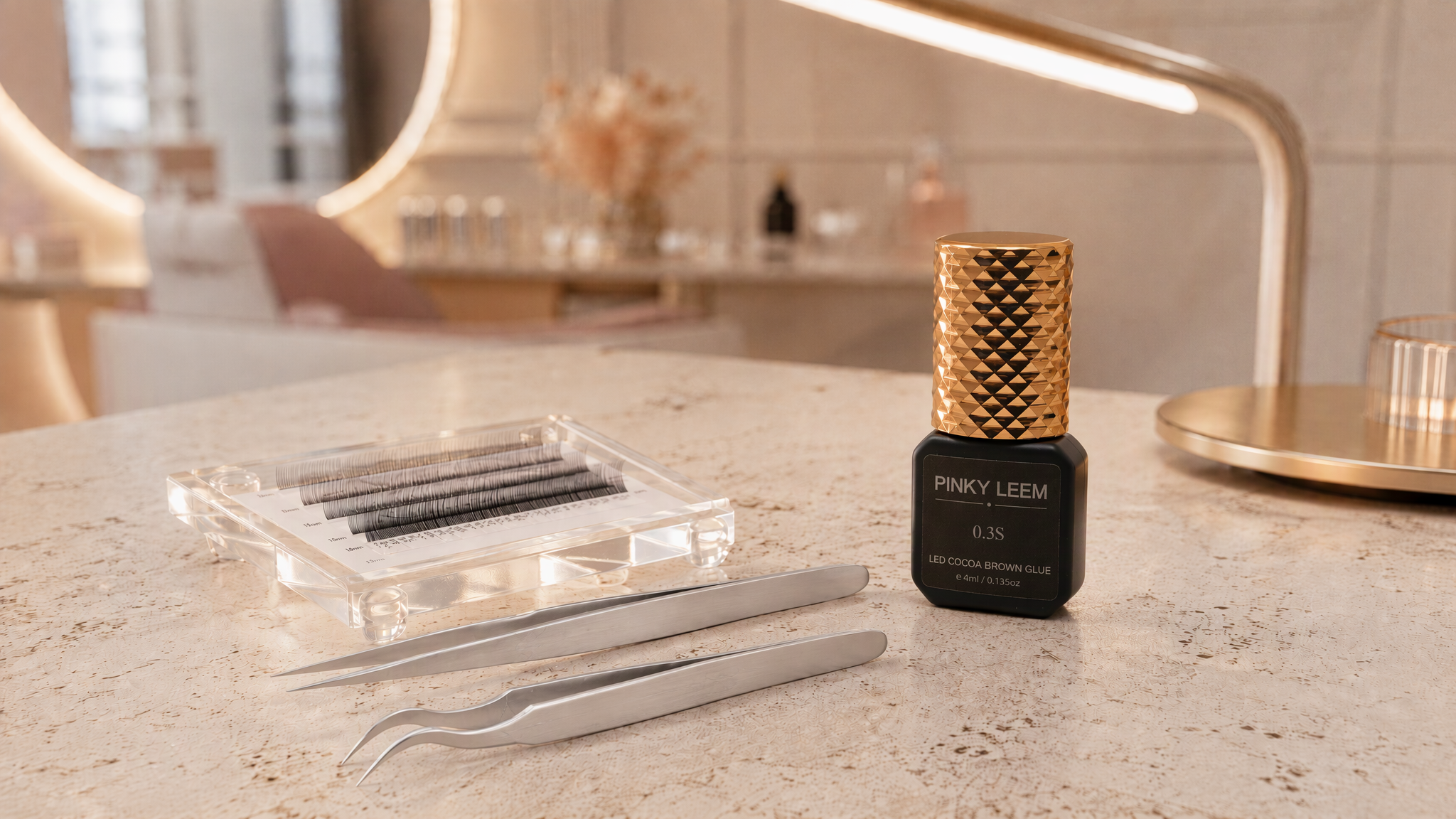
At PINKY LEEM, the message is simple: a polished result begins with attention to detail. Tools and products support that work; they do not replace the artist’s judgment.
The most convincing natural set does not need to announce how much effort went into it. It needs to look considered, feel comfortable, and match the brief agreed with the client.
A subtle result can be the product of very deliberate work.