Leaving an eyelash extension appointment only to discover bloodshot, irritated eyes is an alarming experience for any client. In professional lash studios, post-treatment eye redness is one of the most frequent client inquiries and a leading source of anxiety. While vibrant red eyes look intimidating, the vast majority of cases stem from transient, manageable factors rather than severe medical complications.
Understanding the root causes of ocular irritation, mastering safe emergency soothing protocols, and knowing when symptoms demand medical triage are essential skills for clients and beauty professionals alike. By replacing panic with clinical insight, lash artists can safeguard client ocular health, mitigate liability, and transform a temporary inconvenience into a demonstration of superior aftercare expertise.
1. The Anatomy of Post-Lash Redness: Distinguishing Four Distinct Biological Triggers
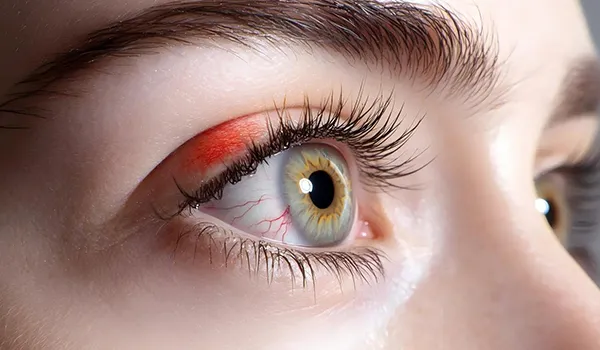
Ocular redness after eyelash extensions occurs when microscopic blood vessels of the conjunctiva dilate in response to external stimuli. Pinpointing the exact trigger is critical because different causes require fundamentally different responses. Post-application redness typically falls into four biological categories: chemical vapor irritation, mechanical abrasion, allergic contact dermatitis, or pre-existing ocular surface inflammation.
Chemical vapor irritation arises when adhesive fumes interact with the tear film. Mechanical micro-trauma occurs when hydrogel eye patches or isolation tapes rub against the sclera during application. True allergic reactions involve an immune-mediated type IV hypersensitivity response to acrylate compounds. Lastly, pre-existing conditions like dry eye syndrome, blepharitis, or ocular rosacea can be temporarily aggravated by prolonged eye closure during a two-hour appointment.
Accurately identifying the biological origin of post-treatment redness is the foundational first step toward administering effective, targeted relief without compromising client eye safety.
2. Cyanoacrylate Fume Exposure: The Chemistry of Chemical Vapor Irritation
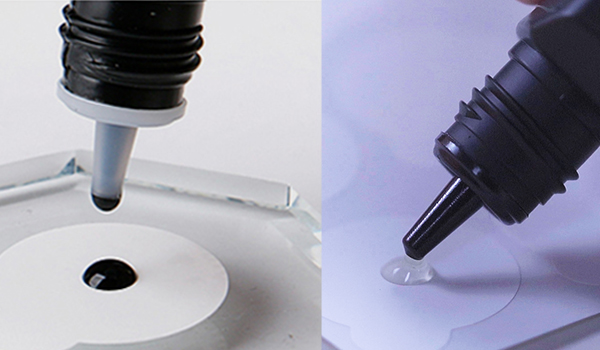
The most common cause of immediate post-appointment redness is chemical vapor off-gassing from conventional lash adhesives. Professional eyelash extension glues rely on cyanoacrylate monomers that polymerize upon contact with ambient moisture. During this curing window, volatile organic fumes disperse into the micro-environment surrounding the eye orbit.
If a client experiences micro-gapping—microscopic eyelid openings caused by talking, fluttering, or incomplete anatomical closure—airborne fumes penetrate directly onto the cornea and conjunctiva. The acidic vapors destabilize the tear film lipid layer, triggering vasodilation, stinging sensations, and reflex tearing. This chemical irritation peaks immediately after application and resolves spontaneously within 12 to 24 hours as the adhesive fully cures.
Cyanoacrylate vapor irritation represents a localized, non-allergic chemical reaction that subsides naturally once volatile fumes dissipate and the tear film restores its lipid equilibrium.
3. Mechanical Micro-Trauma: Eye Pad Shifts, Tape Friction, and Bruised Sclera
A substantial percentage of post-lash ocular complaints stem from physical micro-trauma rather than chemical exposure. To isolate lower lashes, technicians place gel pads and medical tape along the lower orbital rim. If these pads are placed too close to the waterline or shift as the client talks, the firm pad edge rubs directly against the bulbar conjunctiva throughout the appointment.
This continuous friction produces a localized conjunctival bruise or subconjunctival micro-abrasion, characteristically visible as a horizontal crescent of intense redness along the lower half of the eyeball. Clients often describe a sharp foreign-body sensation like an eyelash caught under the lid. Minor mechanical irritation heals quickly as the conjunctival epithelium regenerates over 24 to 48 hours, provided the eye is lubricated and protected from rubbing.
Lower-orbital redness presenting as a distinct horizontal band is almost always a mechanical friction bruise caused by shifted under-eye pads rather than a chemical reaction to lash adhesive.
4. The Critical Differential Diagnosis: Mild Irritation vs. True Contact Allergy
Differentiating between minor irritation and a true type IV allergic reaction is essential for establishing proper aftercare and future service eligibility. A client with simple irritation can safely continue receiving extensions with technique adjustments, whereas an allergic client should never be re-exposed to standard cyanoacrylates.
The distinction centers on three clinical factors:
1.Symptom Onset: Chemical fume irritation and mechanical friction appear immediately during or within two hours of application and steadily decrease. Allergic contact dermatitis is a delayed hypersensitivity that peaks 24 to 72 hours post-treatment and progressively worsens.
2.Anatomical Distribution: Irritation affects the eyeball itself (bloodshot sclera, watery eyes) with minimal lid swelling. Allergic reactions present primarily on eyelid skin, causing bilateral puffy swelling, erythematous redness, intense lash-line itching, and flaky dermatitis.
3.Bilateral Symmetry: Irritation is frequently asymmetrical, often affecting one eye significantly more if a patch shifted. Allergic reactions are systemic and present symmetrically across both eyes.
While chemical irritation is characterized by immediate bloodshot eyes that steadily improve, true contact allergy presents as delayed, itchy eyelid swelling that intensifies over several days.
5. Immediate At-Home First Aid: A Science-Backed 5-Step Eye Relief Protocol
When a client reports mild to moderate post-lash redness without allergic eyelid swelling, following a structured soothing protocol provides rapid relief without compromising extension bonds:
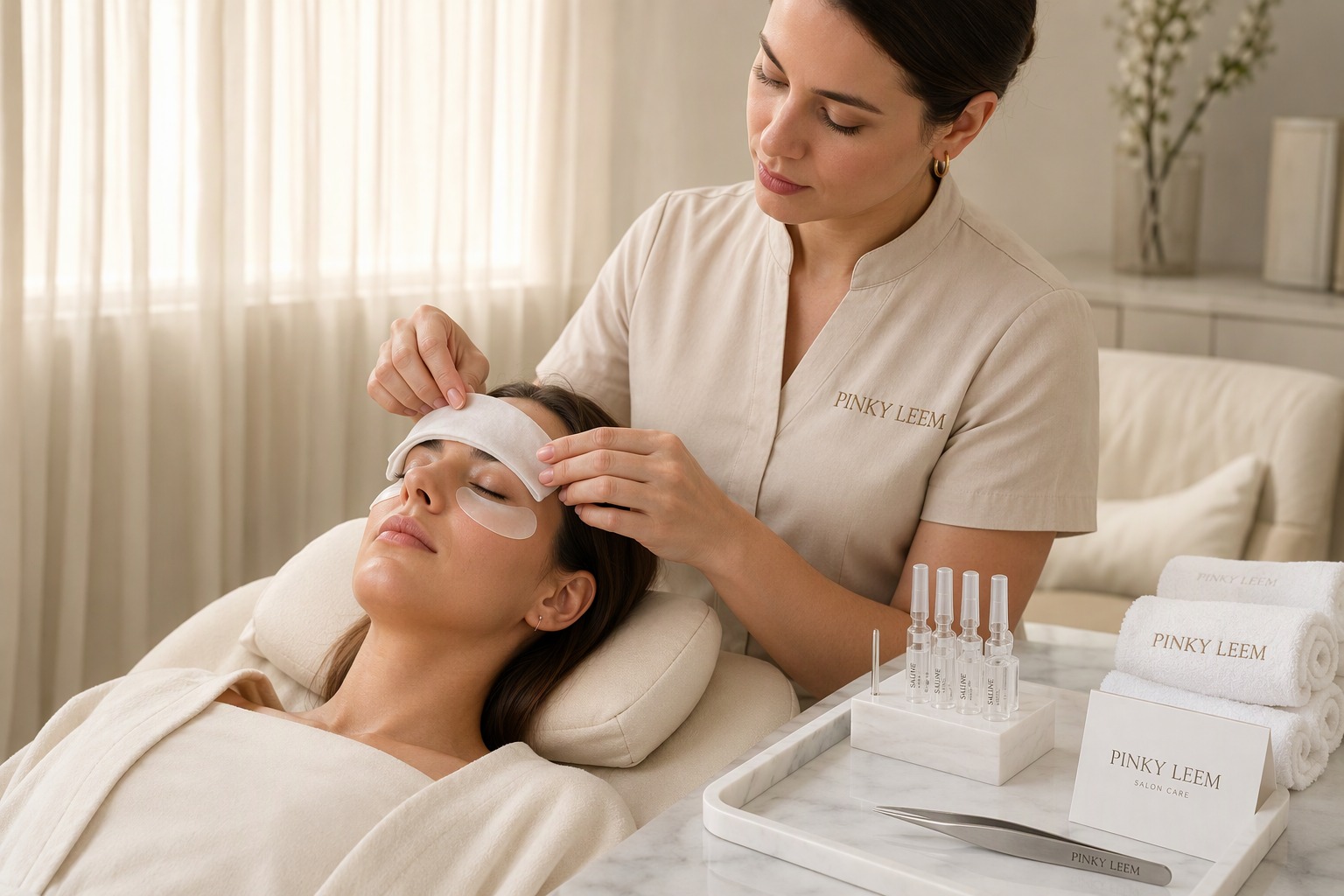
4.Gentle Saline Orbital Flush: Within the first hour, rinse the closed eye area with sterile, preservative-free isotonic saline. Pouring a gentle stream over closed lids washes away residual airborne fumes and microscopic particulates trapped along the skin margin.
5.Cold Gel Compress Therapy: Apply a clean, cold gel eye mask or cool, damp cloth over closed eyelids for ten minutes at a time. The cold induces localized vasoconstriction, rapidly reducing tissue engorgement and calming nerve irritation.
6.Strict Hands-Off Discipline: Clients must strictly avoid rubbing or pressing their eyes. Mechanical friction pushes irritants deeper into the conjunctival sac, risks corneal micro-scratches, and destabilizes freshly bonded lash bases.
7.Clean Spoolie Alignment: If an individual extension twists or irritates the lid, gently brush through the tips using a clean, sanitized spoolie. Never pull or pluck extensions at home, as this damages natural follicles and worsens inflammation.
8.Environmental and Thermal Rest: Rest the ocular surface by avoiding dusty or smoky environments for 48 hours. Limiting digital screen time and avoiding intense thermal zones (saunas, steamy showers) allows the tear film to regenerate.
Administering sterile saline flushes, cold compress therapy, and strict hands-off rest effectively resolves mild post-treatment irritation within twenty-four hours without damaging fresh lash bonds.
6. Eye Drop Selection Guide: Why Preservative-Free Tears Win and Redness Drops Fail
A critical area where clients frequently make errors is over-the-counter eye drop selection. In an attempt to quickly clear bloodshot eyes, clients often reach for popular redness-reliever drops containing vasoconstrictors like tetrahydrozoline or naphazoline.
These vasoconstrictor drops provide a temporary illusion of relief by aggressively constricting conjunctival blood vessels. However, as the medication wears off, vessels rebound and dilate even wider—a clinical phenomenon known as rebound hyperemia or medicamentosa conjunctivitis. Furthermore, these formulations contain harsh preservatives like benzalkonium chloride (BAK), which degrade lash adhesive polymers and exacerbate ocular dryness.
The only safe, clinically approved solution is single-use, preservative-free lubricating artificial tears formulated with carboxymethylcellulose or sodium hyaluronate. These pure lubricants coat the ocular surface, stabilize the tear film, accelerate epithelial recovery, and remain completely compatible with lash adhesives.
Clients must strictly avoid vasoconstrictor redness drops and rely exclusively on preservative-free artificial tears to prevent rebound hyperemia and protect both eye health and lash retention.
7. Red-Flag Symptoms: When to Seek Immediate Professional Medical Evaluation
While most post-lash redness cases resolve with basic soothing care, clients and lash artists must maintain strict medical boundaries. Eyelash technicians are licensed beauty professionals, not medical diagnosticians, and must immediately refer clients to an eye care specialist whenever high-risk red-flag symptoms emerge.
Immediate medical consultation is non-negotiable if any of the following signs occur:
9.Acute Ocular Pain: Severe, sharp pain inside the eyeball that prevents normal blinking, indicating potential corneal abrasion or ulceration.
10.Purulent or Colored Discharge: Thick, yellow, green, or cloudy discharge accumulating along lid margins or crusting eyes shut upon waking, signaling bacterial conjunctivitis.
11.Visual Disturbances: Persistent blurred vision, double vision, or severe photophobia (extreme light sensitivity causing sharp pain).
12.Extensive Periorbital Edema: Severe eyelid swelling that closes the eye slit or spreads to surrounding facial tissue.
13.Lack of Improvement After 48 Hours: Any redness or burning that fails to show measurable improvement within 48 hours of application.
When clients exhibit sharp ocular pain, purulent discharge, light sensitivity, or persistent swelling past forty-eight hours, immediate medical evaluation by an eye care specialist is legally and medically mandatory.
8. Salon-Side Prevention Protocols: Professional Techniques to Eliminate Client Redness
Preventing post-lash redness begins in the studio before the first extension is placed. Professional lash artists who implement rigorous ocular safety standards rarely encounter red-eye complaints.
Key studio protocols for zero-irritation lashing include:
14.Ergonomic Under-Eye Isolation: Position hydrogel pads at least 1.0mm below the lower waterline. After placement, verify that pad edges do not touch the eyeball when the client looks up, then secure with soft-edge silicone tape.
15.Verification of Complete Eyelid Closure: Use a dental inspection mirror to check for microscopic eyelid gaps along the entire lash line before and during application.
16.Micro-Clearance Safety Margin: Always bond lash extensions at a precise distance of 0.5mm to 1.0mm away from the eyelid skin, never allowing adhesive to contact dermal tissue.
17.Active Studio Airflow Management: Utilize low-level directional ventilation or a personal fume extractor to draw cyanoacrylate vapors away from the client’s face throughout the appointment.
Implementing precise 1.0mm under-eye pad clearance, verifying complete lid closure, and maintaining active studio ventilation eliminates over ninety percent of post-application redness incidents.
9. The Role of Photopolymerization: How LED UV Systems Neutralize Fume Risk
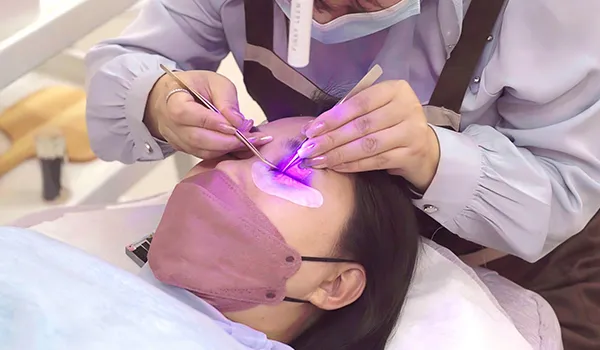
The most significant technological advancement in eliminating post-lash redness is the transition toward LED UV light-cured eyelash extension systems. Conventional cyanoacrylate glues require ambient moisture to cure over 24 to 48 hours, generating continuous off-gassing that irritates sensitive eyes long after the appointment ends.
In contrast, specialized LED UV lash adhesives utilize photoinitiators that polymerize instantaneously—within 0.3 to 0.5 seconds—upon brief exposure to a calibrated 395nm light beam. This rapid chemical reaction achieves a complete cure at the workstation, locking volatile monomers into a solid polymer matrix before fumes can accumulate or penetrate the tear film.
For clients with a history of chemical vapor sensitivity, switching to photopolymerization technology dramatically reduces post-treatment redness, eliminates the 24-hour water-avoidance rule, and delivers an unprecedented standard of comfort.
Light-cured LED UV lash technology achieves instantaneous polymerization, virtually eliminating the 24-hour off-gassing window that causes post-appointment chemical fume irritation.
10. Building Client Trust: Turning Post-Treatment Care into Long-Term Studio Loyalty
How a salon handles client inquiries regarding post-treatment redness directly shapes its professional reputation. When a client messages in distress, dismissive replies like “it’s normal, just wait” erode trust. Conversely, an empathetic, scientifically structured aftercare protocol reassures the client and cements studio loyalty.
Top-tier lash businesses provide every client with clear post-care instructions detailing what to expect, how to use cold compresses, and which preservative-free drops to purchase. Proactively reaching out via text message 24 hours after an appointment demonstrates genuine care that distinguishes a premium brand from low-cost competitors.
When clients recognize that their lash artist prioritizes ocular safety above all else, they become long-term brand advocates who value professional expertise over bargain pricing.
Proactive, medically sound aftercare communication transforms routine client follow-up into a powerful engine for client retention, studio authority, and brand prestige.