A fresh set of lash extensions can make your daily beauty routine feel wonderfully simple. But even a well-applied set can look uneven sooner than expected if everyday habits create unnecessary friction, buildup, or pulling.
The good news is that lash retention is not determined by one factor alone. Application quality, adhesive selection, natural lash condition, lifestyle, environment, and aftercare all play a role. While no routine can stop the natural lash cycle or guarantee a specific retention period, a consistent care routine can help your extensions stay cleaner, neater, and more comfortable for longer.
Why Do Lash Extensions Shed Early?
Lash extensions are attached to natural lashes, so they eventually shed with the natural lash they are bonded to. Premature loss can also happen when the extensions are exposed to repeated rubbing, tugging, heavy product buildup, or products that are not compatible with the adhesive used by your lash professional.
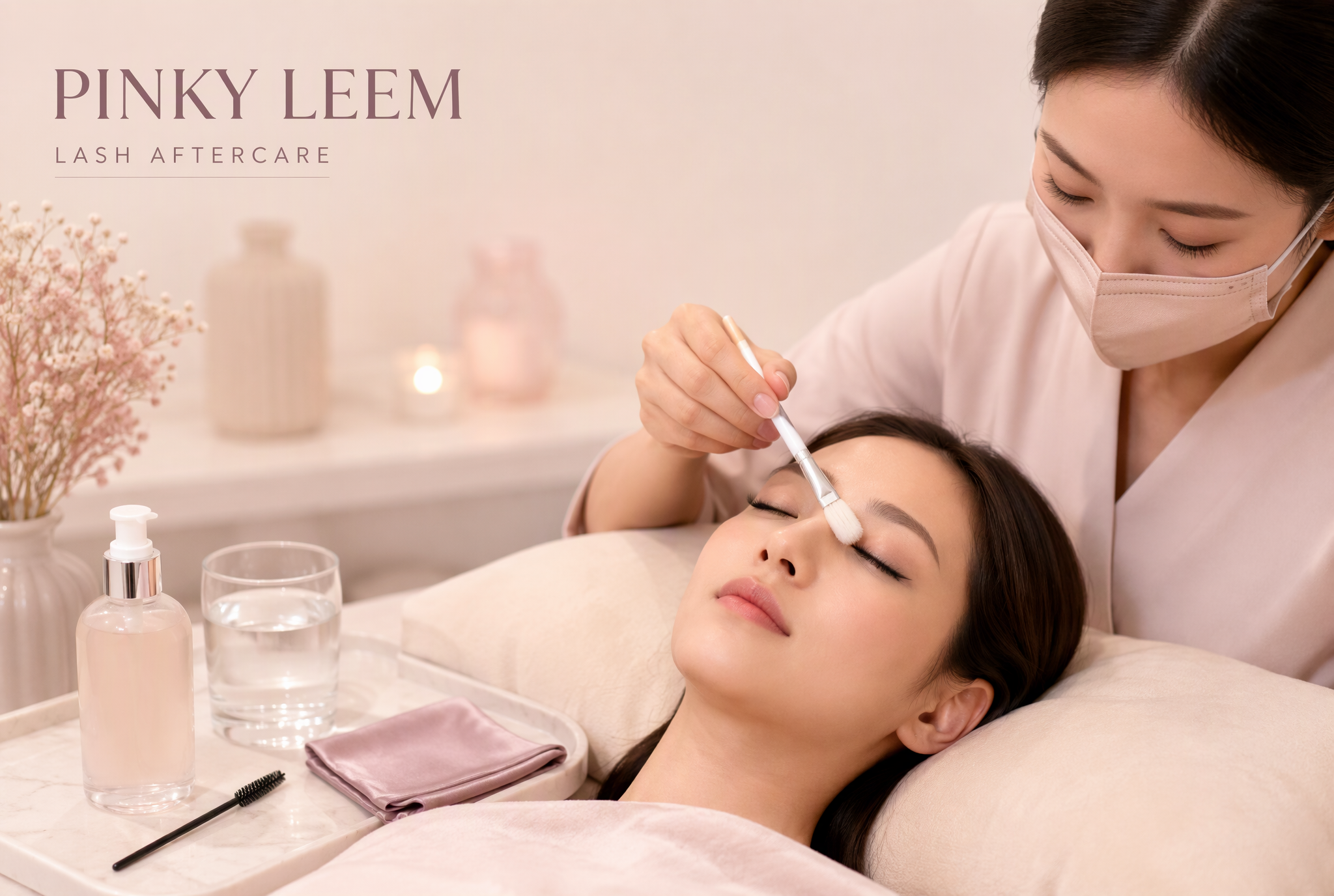
The goal of aftercare is not to make the adhesive permanently stronger. It is to reduce avoidable stress on the bond while keeping the eyelid and lash line clean. The following habits are practical ways to support that goal.
1. Clean Your Lashes Gently and Regularly
Avoiding water or cleansing altogether is not a good long-term strategy. Makeup residue, skin oils, sweat, and debris can collect around the lash line and make the area uncomfortable. Regular, gentle cleansing helps remove buildup without aggressively disturbing the extensions.
Try this routine:
Use a cleanser recommended for eyelash extensions, preferably one that is oil-free and suitable for the adhesive used by your lash professional.
Apply it with clean fingers or a soft lash-cleansing brush. Move gently through the lashes instead of scrubbing from side to side.
Rinse with lukewarm water and pat the area dry with a clean, soft towel or disposable tissue.
Make sure the lashes are dry before brushing them lightly with a clean spoolie, if your technician has recommended brushing.
The exact product guidance can vary by adhesive and service. If your lash artist gives you a specific cleanser or cleaning schedule, follow that recommendation rather than relying on a generic rule.
2. Keep Your Hands Away from Your Eyes
Rubbing, pulling, twisting, or repeatedly touching the lashes can place mechanical stress on the bond and on the natural lash underneath. It can also transfer oil and debris from your fingers to the eye area.
If a lash feels loose, do not pull it off. Removing an extension forcefully may also pull on the natural lash. Instead, ask your lash professional to assess it at your next appointment. If your eyes feel itchy or irritated, try to identify the cause rather than covering up the symptom with more products.
Persistent redness, swelling, pain, light sensitivity, unusual discharge, or changes in vision are not normal aftercare issues. Stop using products around the area and seek advice from a qualified healthcare professional.
3. Reduce Overnight Friction
Sleep position cannot control the natural shedding cycle, but it can affect how much your lashes rub against a pillow. Sleeping face-down or pressing one side of the face into a pillow may create more friction and can bend or disturb the extensions.
When possible, sleep on your back. If that is not comfortable, a smooth silk or satin pillowcase may help reduce friction compared with a rougher fabric. This is a comfort and friction-reduction strategy, not a guarantee that extensions will last longer.
Also wash pillowcases regularly and avoid sleeping with eye makeup on. Clean bedding supports a cleaner eye area and reduces the chance of transferring residue to the lashes overnight.
4. Manage Heat, Steam, and Humidity Sensibly
Heat and humidity do not affect every lash adhesive in exactly the same way. The effect depends on the adhesive formulation, curing conditions, timing, and the environment. For that reason, follow the aftercare window provided by your lash professional or adhesive manufacturer rather than applying one universal waiting time.
Practical steps include:
Avoid very hot water directed at the face immediately after the service if your technician has advised you to do so.
Be cautious with saunas, steam rooms, hot tubs, and long periods of intense heat, especially during the initial curing period specified for the adhesive.
Keep a hair dryer away from the eyes and use a comfortable, moderate setting rather than directing hot air straight at the lash line.
After exercise or sweating, cleanse the lashes gently according to your aftercare instructions instead of rubbing them with a towel.
These steps help limit unnecessary heat, moisture, and friction. They do not replace the adhesive manufacturer’s instructions or your technician’s professional guidance.
5. Choose Eye Products Carefully
Oil-based formulas are often discouraged around lash extensions because some oils, emollients, and makeup-removing ingredients may interfere with certain lash adhesives. However, not every product behaves the same way, and the effect depends on its formula and the adhesive system used.
Check the label and ask your lash professional before using:
Oil-based makeup removers or cleansing balms
Heavy creams applied close to the lash line
Waterproof eye makeup that requires vigorous rubbing to remove
Lash or brow serums that contain oils or ingredients not recommended for extensions
An oil-free label does not automatically make a product suitable for the eye area. Follow the product directions, avoid getting skincare directly into the eyes, and stop using any product that causes burning or irritation.
Lash serums also deserve realistic expectations. Some formulas have evidence for improving the appearance of lashes, but results depend on the ingredients, product quality, consistent use, and individual response. A serum is not a substitute for gentle aftercare, and a claim that one ingredient will strengthen everyone’s natural lashes by a fixed percentage is not appropriate without product-specific clinical evidence.
Bonus Habit: Follow a Professional Maintenance Schedule
Natural lashes grow and shed at different times, so a set will gradually look less full even when it has been cared for correctly. The timing of a refill or maintenance appointment depends on the individual’s natural lash cycle, the original application, lifestyle, and the technician’s recommendations.
Book maintenance appointments according to the schedule advised by your lash professional. Do not wait until extensions have become tangled, grown out, or uncomfortable. A professional can remove grown-out extensions safely and determine whether a refill or a new set is more appropriate.
What Good Lash Aftercare Looks Like
Good aftercare is consistent, gentle, and realistic:
Keep the lash line clean without scrubbing.
Avoid rubbing, pulling, and unnecessary touching.
Reduce overnight friction where practical.
Follow the adhesive-specific guidance for heat, steam, and humidity.
Choose eye-area products carefully and ask before using oil-based formulas.
Return to a qualified lash professional when maintenance is due.
These habits cannot prevent normal lash shedding, guarantee a fixed retention period, or replace professional application. They can, however, help reduce avoidable stress and support a cleaner, more comfortable lash-extension routine.
Final Takeaway
The most effective way to help lash extensions look fresh longer is to care for them gently and consistently. Clean them regularly, keep your hands away, reduce friction, respect the adhesive’s aftercare instructions, and choose eye products with care.
If you experience ongoing irritation, swelling, pain, discharge, or vision changes, do not try to solve the problem by adding more lash products. Contact a qualified healthcare professional and speak with your lash technician before receiving another service.