Is UV Lash Light Safe? Debunking Myths with Scientific Facts
In the beauty industry, UV eyelash extension systems have become an important part of beauty procedures in recent years. However, various unverified claims circulating online have raised concerns about their safety. Today, based on the latest scientific research, industry data, and professional medical opinions, we will comprehensively analyze the safety of UV eyelash extension systems to provide you with accurate and reliable information.
Scientific Principles: How UV Eyelash Extension Lamps Work Modern UV eyelash extension systems primarily use ultraviolet A (UVA) light or LED light sources of specific wavelengths, typically between 365-405 nanometers. This wavelength of light has gentle energy and is specifically designed for the safe curing of eyelash glue. Compared to ultraviolet rays in sunlight, the light from eyelash extension systems is precisely filtered and directionally controlled, acting only on a very small, specific area.
Five Safety Facts Supported by Scientific Research.
Fact 1: Professional UV Eyelash Extension Lamps Have Extremely Low Radiation Dose
According to research data from the American Academy of Dermatology, the amount of UVA radiation received by the skin during a complete eyelash extension procedure (approximately 30 minutes) is equivalent to the amount received during 7-8 minutes of outdoor activity on a cloudy day. The guidelines from the International Commission on Non-Ionizing Radiation Protection (ICNIRP) also confirm that the radiation levels of eyelash extension lamps are far below the safe threshold.
Fact 2: The Risk of Eye Exposure is Greatly Exaggerated
Multiple studies have shown that during eyelash extension services:
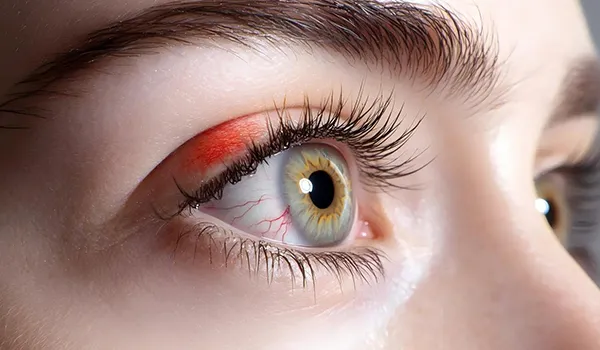
Clients keep their eyes closed throughout the process, and eyelids effectively block more than 99% of ultraviolet rays.
Protective eye masks provided by professional salons further reduce any potential risks.
The actual amount of radiation received by the cornea and lens is almost negligible.
Fact 3: Modern Equipment Meets Strict Safety Standards
EU CE certification, US FDA registration, and RoHS environmental standards have clear regulations for eyelash extension lamp equipment:
Must be equipped with a timed automatic shut-off function
Wavelength must be controlled within a safe range
Radiation intensity must be lower than international safety standards
Equipment must pass rigorous quality testing.
Fact 4: Comparison data with daily UV exposure
Exposure source UVA intensity Duration relative risk
Summer Sunny Day Outdoor Activities high 30 minutes benchmark value
Sunbathing bed Very high 10 minutes 10-12 times
UV eyelash lamp Extremely low 2-3minutes 0.1-0.3times
Data source: Journal of Photobiology and Skin Health, 2022 research. Industry practices ensure additional safety.
Professional salon protective measures:
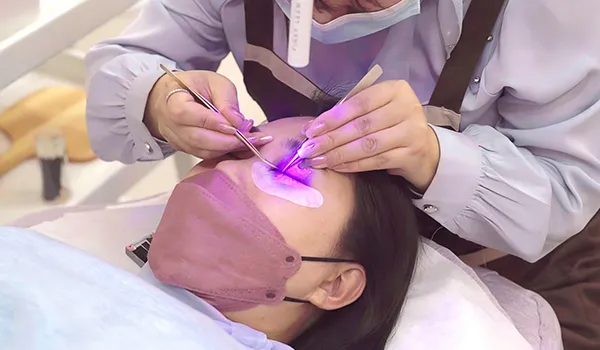
Precision irradiation technology: Irradiation is applied only to a very small area at the base of the eyelashes.
Physical barrier use: Silicone eye patches, professional protective eye shields.
Time control: Each curing cycle typically lasts only 30-60 seconds.
Distance management: Maintaining the optimal safe distance between the lamp head and the skin.
Simultaneous advancements in product formulation.
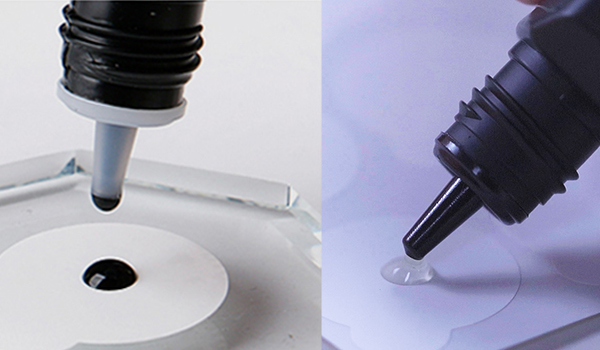
Modern eyelash extension glues are specially formulated to:
Increase the sensitivity of photoinitiators, reducing the required exposure time; Improve curing efficiency, lowering overall exposure requirements; and Contain low-allergenic ingredients, reducing the risk of chemical irritation.
Safety Statements from Authoritative Organizations:
The U.S. Food and Drug Administration (FDA): Classifies nail/eyelash lamps as “low-risk” devices, stating that “the risk to consumers who use these devices occasionally is minimal.”
Cosmetics Europe: Confirms that UV-curing devices used in professional beauty environments are “safe for consumers when used correctly.”
The International Society of Dermatology: In its 2023 position paper, it states that “there is no credible evidence that occasional use of eyelash lamps increases the risk of skin cancer.”
Zero-risk experience when used correctly
For customers: Extremely short exposure time per service (total exposure time is usually less than 5 minutes).
Frequency of 1-2 times per month is far below the risk threshold.
The skin around the eyes is thicker and has stronger natural protection.
For professional technicians:
Modern equipment is equipped with protective shields and directional irradiation technology.
Professional protective eyewear completely blocks ultraviolet rays.
Regular equipment maintenance ensures stable and safe output.
Industry technological innovations enhance safety.
Recent technological advancements have further improved the safety of UV eyelash extension systems:
LED-UV hybrid technology: combines the efficiency of LEDs with the curing power of UV light, reducing the use of pure UV light.
Intelligent sensing system: irradiation is only activated when the correct location is detected.
Wavelength optimization technology: uses the most effective curing wavelength, reducing unnecessary radiation.
Clarifying Common Misconceptions
Misconception: “Eyelash lamps accelerate aging around the eyes.”
Fact: The amount of UVA received by the skin around the eyes is extremely low. The effect of a single full eyelash service on skin aging is equivalent to 4-5 days of natural UV exposure in daily life. Eye care products used in professional salons typically contain antioxidants that can counteract any minor effects.
Misconception: “Long-term use will cause cumulative damage.”
Fact: The skin has a powerful self-repair mechanism; low-dose, intermittent exposure does not produce a cumulative effect. Studies show that even with monthly use, the effects of eyelash lamps are far less than those of unprotected outdoor activities in daily life.
Consumer Safety Guide
Choosing safe eyelash extension services is simple:
Choose a reputable salon: Check equipment certifications and technician qualifications.
Confirm protective measures: Ensure eye and skin protection is provided.
Understand product information: Ask about glue type and curing time.
Follow professional advice: Technicians will adjust the plan according to your specific needs.
Conclusion
Based on existing scientific evidence, industry data, and regulatory standards, professional UV eyelash extension systems are a safe and beautiful choice. Their risk level is not only far lower than what the public perceives, but even lower than the risks associated with many everyday activities, such as exposure to cooking fumes or air pollution during commutes.
Safety has always been a top priority in the development of beauty technology. Modern UV eyelash extension systems are meticulously designed and rigorously tested, providing clients with a safe, efficient, and beautiful eyelash extension experience when used correctly by professionals. Consumers can enjoy the convenience and beauty of this service with complete peace of mind, without worrying about unproven risk rumors.
The pursuit of beauty should not be hindered by unfounded fears. Science has provided a clear answer: UV eyelash extension systems are safe, reliable, and trustworthy.