How to Ship Eyelash Extension Glue Out of China
Our company has long-term cooperative freight forwarders. When shipping eyelash extension glue out of China, we can cooperate with them using the following process:
I. Clarify Product Characteristics and Transportation Requirements and Inform the Freight Forwarder
1. Provide Detailed Product Information: Introduce the ingredients, packaging specifications, and quantity of the eyelash glue to the freight forwarder.
2. Communicate Transportation Time Requirements: Based on the customer’s expected arrival time at the destination, for regular orders, consider the agreed delivery date and transportation time with the customer, and focus on the transportation method.
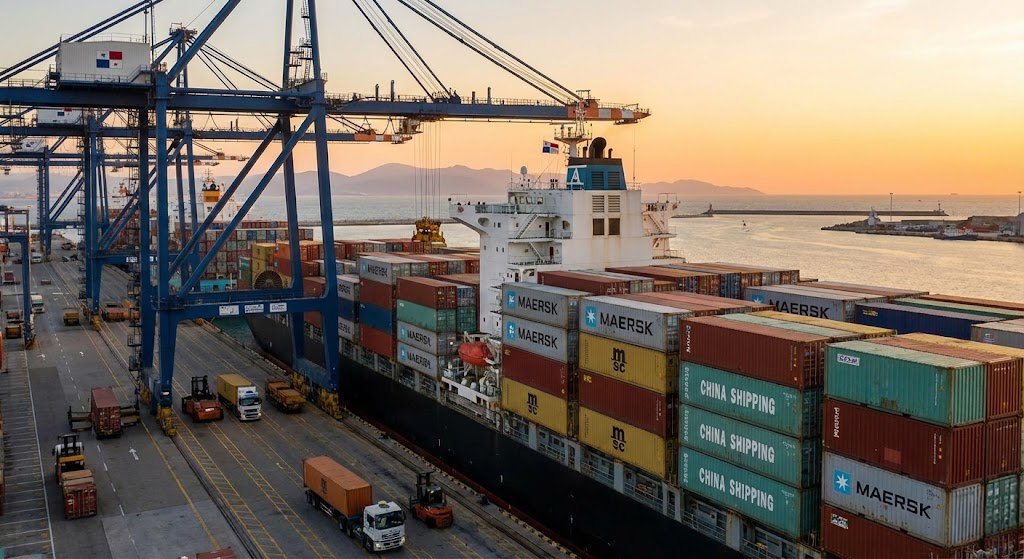
3. Jointly Determine the Transportation Method with the Freight Forwarder: Consider the cargo volume and timeliness: If the cargo volume is large and the customer is not in a hurry, sea freight is a more economical option. Inform the freight forwarder of the shipping schedule, transportation time, and costs, as costs are relatively stable. If the cargo volume is small, be aware of the risks of mixed loading during LCL (Less than Container Load) and the potential for extended transportation time or loss. If timeliness is extremely important, such as when the customer urgently needs the goods, air freight is the preferred choice. I. Booking suitable flights with the freight forwarder will result in relatively high freight costs.
II. Evaluating the Freight Forwarder’s Transportation Plan: After providing the freight forwarder with a transportation plan, the plan should cover the transportation route, transshipment details (if any), estimated transportation time, cost breakdown, and possible risk mitigation measures. If the plan involves transshipment, inquire about the customs clearance efficiency at the transshipment port, cargo dwell time, and potential additional costs to ensure the entire transportation process meets your expectations and cost budget.
III. Customs Clearance Obstacles: Assisting with Customs Declaration: After the freight forwarder submits the customs declaration application, it may encounter customs review and inspection. If customs requests supplementary information or explanations regarding the goods, promptly cooperate with the freight forwarder to provide the required information. If customs has questions about the adhesive composition, provide detailed composition specifications and relevant test reports. If the goods are inspected, work with the freight forwarder to arrange personnel to cooperate with the customs inspection to ensure a smooth inspection process.
IV. Follow-up and Problem Handling: 1. Tracking Cargo Transportation Status: Through the inquiry channels provided by the freight forwarder, track the cargo transportation status in real time to understand the cargo’s location during transportation, estimated arrival time, and other information. 1. **Handling Transportation Disputes and Claims:** If any abnormalities are discovered in cargo transportation, such as delays or holdings, communicate with the freight forwarder promptly. The freight forwarder should assist in identifying the cause and providing solutions. If delays in the shipping schedule may prevent on-time delivery, negotiate with the freight forwarder to adjust the transportation plan, such as changing to a faster ship or selecting expedited transportation services. Simultaneously, promptly notify the customer, explain the situation, and negotiate solutions.
2. **Handling Transportation Disputes and Claims:** If goods are damaged or lost during transportation, work with the freight forwarder to collect relevant evidence, such as photos of the damaged goods, transportation records, and accident reports. Assist the freight forwarder in filing claims with the insurance company or the responsible party according to the transportation contract and insurance terms. The freight forwarder should play a leading role throughout the claims process, communicating and coordinating with all parties to strive for maximum compensation and minimize losses.