What Glue is Used for Eyelash Extensions? A Comprehensive Guide for Professionals
When it comes to eyelash extensions, the glue is the unsung hero that holds everything together—literally. Choosing the right adhesive isn’t just about keeping lashes in place; it’s about ensuring client safety, comfort, and satisfaction. In this guide, we’ll break down the types of glues used in lash extensions, key factors to consider when selecting one, and tips for proper use and storage. Whether you’re a seasoned lash artist or just starting out, this information will help you make informed decisions for your business.
Common Types of Eyelash Extension Glues
Not all lash glues are created equal. The best option depends on your clients’ needs, your work environment, and the desired retention period. Here are the most popular types:
Cyanoacrylate-Based Glues
Cyanoacrylate is the primary ingredient in most professional lash adhesives, and for good reason. This fast-acting compound creates a strong bond that can last 4–6 weeks with proper aftercare. It works by reacting with moisture in the air to cure, forming a secure seal between the natural lash and the extension.
Within this category, there are variations:
•Ethyl Cyanoacrylate: Known for its quick drying time (often 1–2 seconds) and strong hold, this is a favorite among experienced artists working with clients who have healthy natural lashes.
•Methyl Cyanoacrylate: Slightly slower to dry (2–3 seconds) and with a gentler formula, it’s a better choice for clients with sensitive eyes or thinner natural lashes.
Latex-Free and Formaldehyde-Free Options
In recent years, demand for safer, more hypoallergenic glues has grown. Many manufacturers now offer latex-free and formaldehyde-free formulas to reduce the risk of allergic reactions. These glues are ideal for clients with sensitive skin or a history of allergies to traditional adhesives. While they may have a slightly shorter retention period (3–5 weeks), the trade-off for client comfort is often worth it.
Waterproof vs. Removable Glues
•Waterproof Glues: Designed for long-term wear, these adhesives are resistant to sweat, humidity, and tears. They’re perfect for clients with active lifestyles or those planning beach vacations.
•Removable Glues: These have a weaker bond, making them easy to remove with specialized removers. They’re great for temporary lash looks, like for a special event or photoshoot.
Key Factors to Consider When Choosing Lash Glue
Selecting the right lash glue requires careful consideration of several factors:
Drying Time
Drying time affects both application speed and precision. Fast-drying glues (1–2 seconds) are suitable for experienced artists who can work quickly, while slower-drying glues (3–5 seconds) give beginners more time to adjust the lash position.
Viscosity
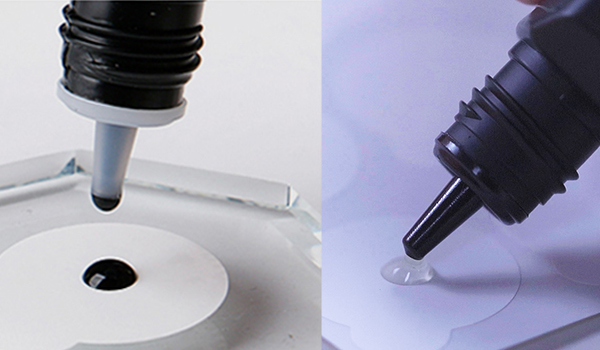
Viscosity refers to the glue’s thickness. Thin glues spread easily and dry quickly, but they may run into the client’s eyes if not applied carefully. Thick glues are more controllable, making them ideal for creating volume lashes, but they take longer to dry.
Retention Period
The retention period is how long the lashes stay in place. Most professional glues offer a retention period of 4–6 weeks, but this can vary depending on the client’s natural lash growth cycle, aftercare routine, and environmental factors.
Client Sensitivity
Always check if your client has any allergies or sensitivities before applying lash glue. Perform a patch test 24–48 hours before the appointment by applying a small amount of glue to the client’s inner arm. If redness, itching, or swelling occurs, choose a hypoallergenic alternative.
Tips for Using and Storing Lash Glue
Proper use and storage can extend the life of your lash glue and ensure optimal performance:
Application Tips
•Shake the glue bottle well before use to mix the ingredients.
•Apply a thin layer of glue to the base of the lash extension. Avoid using too much glue, as it can cause clumping or irritation.
•Wait a few seconds for the glue to become tacky before applying the lash to the natural lash. This helps create a stronger bond.
Storage Tips
•Store lash glue in a cool, dry place away from direct sunlight and heat sources. A refrigerator is a good option, but make sure to let the glue reach room temperature before use to prevent condensation.
•Keep the glue bottle tightly closed when not in use to prevent it from drying out.
•Replace lash glue every 2–3 months, even if it hasn’t been used up. Old glue can lose its effectiveness and may cause irritation.
Safety First: Important Precautions
While lash glue is generally safe when used correctly, it’s important to take the following precautions:
•Never apply glue directly to the client’s skin or eyelid.
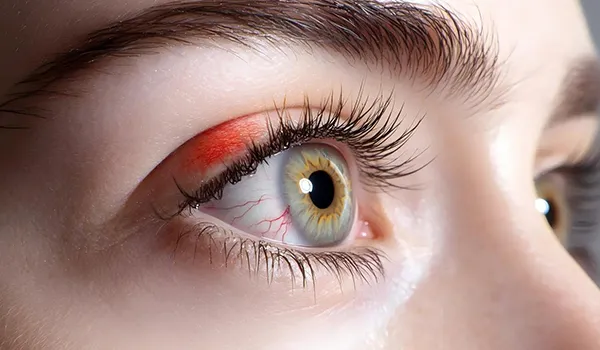
•Avoid getting glue in the client’s eyes. If this happens, flush the eye with clean water immediately and seek medical attention if irritation persists.
•Use only professional-grade lash glues that are specifically designed for eyelash extensions. Household glues or craft glues are not safe for use around the eyes.
•Train your clients on proper aftercare, including avoiding oil-based products near the lashes, not rubbing or pulling the lashes, and cleaning them gently with a lash cleanser.
Conclusion
Choosing the right glue for eyelash extensions is crucial for creating beautiful, long-lasting results that keep your clients coming back. By understanding the different types of glues, considering key factors like drying time and client sensitivity, and following proper use and storage guidelines, you can ensure a successful lash extension application every time. Remember, safety and client satisfaction should always be your top priorities. With the right glue and techniques, you’ll be able to create stunning lash looks that enhance your clients’ natural beauty.