5 Common Mistakes with UV Eyelash Extensions: 90% of Beginners Make These Mistakes, Avoid These Common Ones
Beginners to UV eyelash extensions often fall into various “hidden pitfalls” due to unfamiliarity with tool usage and operational details. These pitfalls range from minor issues like poor adhesion and falling off after a week to more serious problems like irritation of the skin around the eyes and damage to natural eyelashes. Today, we’ll break down the 5 most common mistakes beginners make, helping you avoid these pitfalls and easily achieve long-lasting and natural UV extension results.
Mistake 1: Applying Too Much UV Glue, Thinking “More Glue Makes It Stick Better”
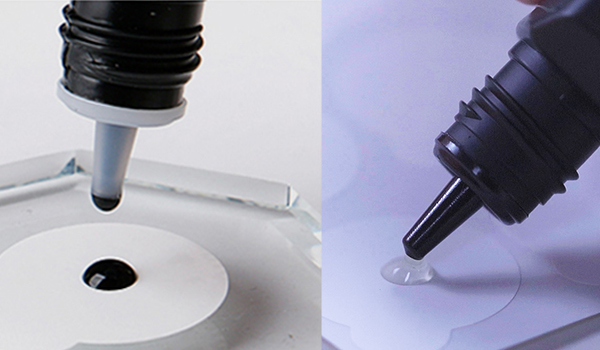
Many beginners fall into the misconception that “more glue makes it stronger,” coating the roots and even tips of the false eyelashes with UV glue, which actually causes problems.
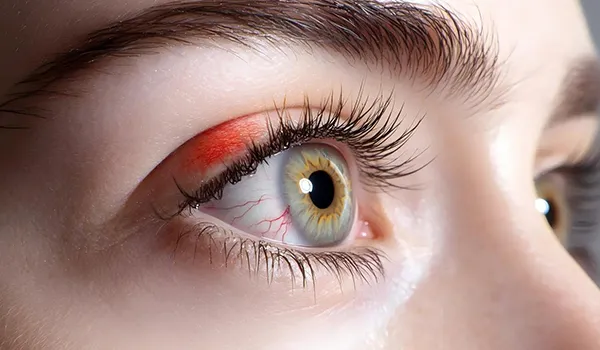
Consequences of Mistakes: Excess UV glue will run down the false eyelashes onto the skin around the eyes, causing stinging, redness, and even sticking to the eyelids. After curing, it can form a “glue block,” making the eyelashes look stiff and unnatural. This glue block is also prone to breakage under pressure, causing the false eyelashes to fall off in 3-5 days.
Correct Procedure: Follow the “apply glue to the root 1/3” principle—use fine-tipped tweezers to hold the false eyelashes and gently apply UV glue to the root 1/3 of the false eyelashes (only covering the part that will contact the natural eyelashes). After applying, gently scrape off any excess glue from the glue bottle opening.
Misconception 2: Holding the UV lamp too close to the eyelashes for “faster curing”
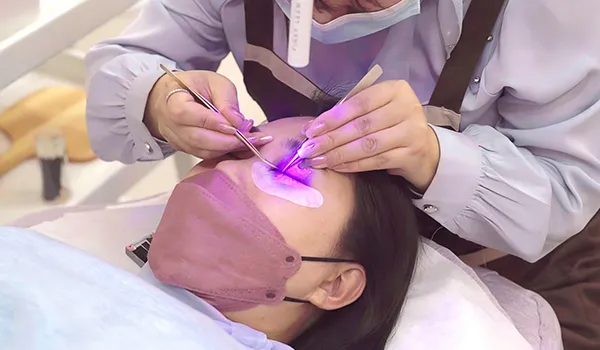
To speed up the curing of UV glue, some beginners hold the UV lamp directly against their eyelashes, thinking that “the closer the distance, the faster the curing.” However, this is actually very dangerous.
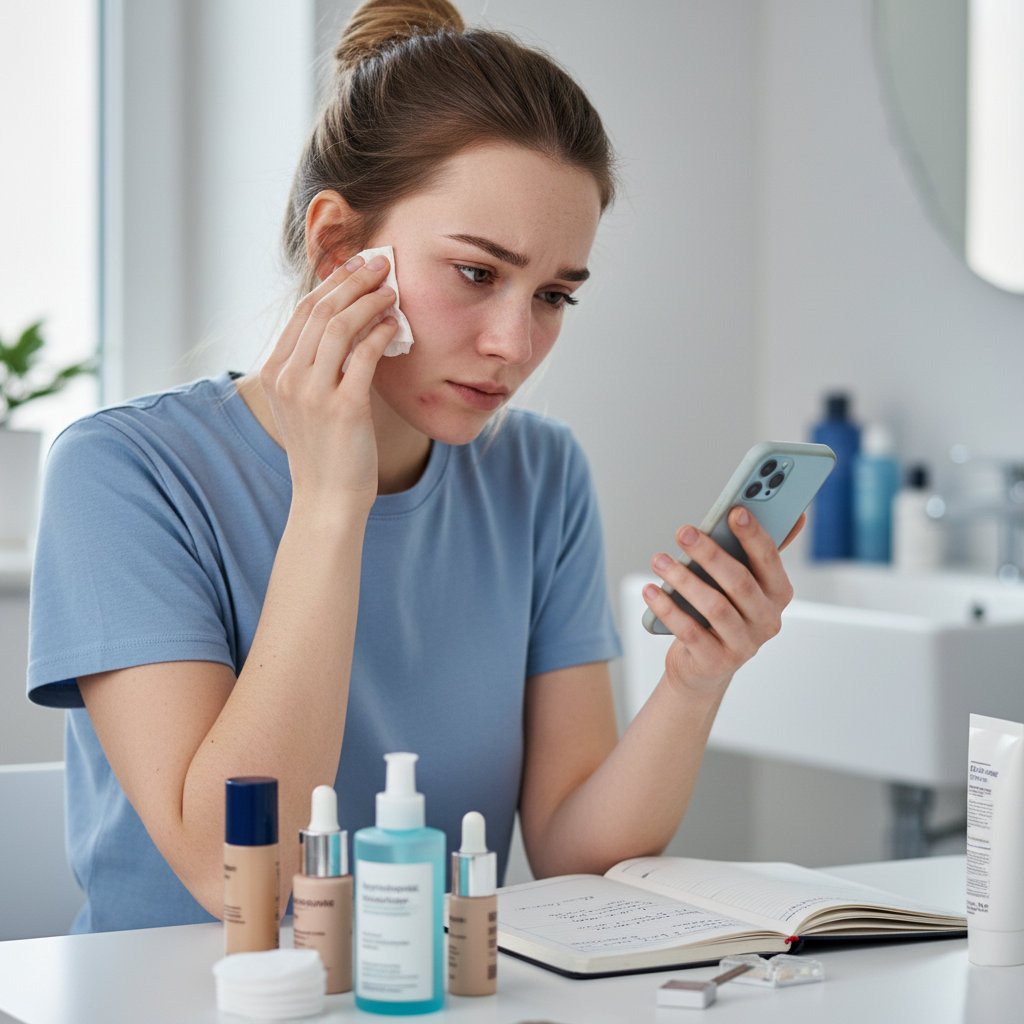
Consequences of Mistakes: While the UV rays from the UV lamp primarily target the adhesive, excessively close proximity (<1cm) can cause the high temperature and UV rays to irritate the delicate skin around the eyes, leading to dryness and redness.Correct Operation: Maintain a distance of 10-15cm between the UV floor lamp and the eyelashes, and aim it vertically at the grafting area.Misconception 3: Immediately contacting water after grafting, thinking "it's fine once it's cured"Seeing the UV adhesive harden after being exposed to the lamp, many beginners assume it's "fully cured" and wash their face and apply makeup that same day. As a result, the false eyelashes quickly fall off.Consequences of Mistakes: The "surface curing" of UV adhesive only takes 30 seconds, but "deep curing" requires 24 hours. Premature contact with water will damage the adhesive structure, reducing the adhesion between the false eyelashes and natural eyelashes. What could have lasted 6-8 weeks might only last a week with half of the false eyelashes falling off.Correct Procedure: Avoid contact with water and oil for 24 hours after grafting. When washing your face, use a cotton pad soaked in oil-free makeup remover to gently wipe around the eyes (avoiding the lash line). When applying makeup, apply eye makeup first, then the grafting, or choose oil-free eyeshadow and mascara to prevent oil from seeping into the adhesive layer.Misconception 4: Using regular grafting glue with a UV lamp, thinking it's "universal." Some beginners try to save money and effort by using leftover "traditional quick-drying grafting glue" with a UV lamp, thinking, "They're both grafting glue, so they should cure together." However, they are completely incompatible.Consequences of Mistakes: Ordinary quick-drying adhesive cures by reacting with air for rapid drying, and does not contain UV photosensitive components. Exposure to a UV lamp not only fails to cure it but also reduces its adhesiveness, causing false eyelashes to fall off within minutes.Correct Operation: "UV-specific grafting adhesive" must be used. Only under the specific wavelength (395-405nm) of a UV lamp can "rapid curing + strong adhesion" be achieved. When purchasing, carefully read the product instructions to confirm if it is labeled "UV curing specific" to avoid buying the wrong product.Misconception 5: Applying extensions without cleaning natural eyelashes.Many beginners think, "Natural eyelashes look clean, so there's no need to clean them," and apply the adhesive directly, resulting in poor adhesion.Consequences of Mistakes: Natural eyelashes will have oil, dust, and makeup residue (even without makeup, skin secretes oil) – these impurities act like a "layer," separating the UV adhesive from the natural eyelashes, preventing a tight bond, and causing the false eyelashes to loosen and fall off easily.Correct Procedure: Before applying eyelash extensions, wipe your natural lashes with an alcohol-free eyelash cleanser. Take a cotton pad, apply a small amount of cleanser, and gently wipe from the root of the lash to the tip, repeating twice to ensure complete removal of oil and impurities. After cleaning, wait 10 seconds for the lashes to air dry before applying the extension glue.Beginner's Guide to Avoiding Common Pitfalls: 3 Key Principles1. Do not mix tools: Use UV glue with a UV lamp; do not use it interchangeably with regular extension glue or other brands of lamps.2. Adhere to the application time: Apply glue only to the root 1/3 of the lashes, cure for at least 30 seconds, and avoid contact with water for 24 hours.3. Thorough cleaning: Always clean your natural lashes before applying extensions to prevent oil from affecting adhesion.Actually, UV eyelash extensions are very beginner-friendly. As long as you avoid these common mistakes and follow the correct steps, you can easily achieve natural and long-lasting results. If you encounter problems during the process, you can also try our beginner's kit, which includes all the necessary tools and tutorials, ensuring success even for beginners!